SponsorSHEEP Lambs 2020
Lambs are available for SponsorSHEEP in the farm store HERE.
We will be launching this years round of SponsorSHEEP lambs on Friday, June 5th at 10am CST. We have 9 ewe lambs that we will be releasing for sponsorSHEEP. To sponsor any of them please visit the farm store here.
PLEASE NOTE: due to the limitation of our website, the only option available in the farm store is for $100 sponsorship. Please choose this option and if you want a higher level of sponsorSHEEP we will settle later.
Here is the description of this years new lambs available for sponsorSHEEP.
Maisie’s Girl
This is a pure shetland ewe, her fleece looks chocolate brown, we imagine it will remain this colour or get slightly lighter. She is so friendly and was the first lamb born this year!

Lottie’s Girl #1
This is a pure shetland ewe, her fleece looks exactly like her mothers fleece when she was born. It appears black, but is already lightening up underneath. Her facial markings are so beautiful and she has the highest pitched little noises. I am sure by shearing her fleece will be much lighter grey.

Lottie’s Girl #2
This is a pure shetland ewe, and she actually isn’t Lottie’s daughter. She was born to Emilie but rejected, we were able to graft her to lottie, so she believes it’s her ewe. She has lovely chocolate brown fibre with the light belly, neck and legs. she will probably stay a brown colour this first year. We are so happy that it ended well, with her and her adopted family!

Odie’s Girl #1
This is our shetland/Merino X ewe, she has a twin sister that looks exactly like her. Her fleece is snow white and will most likely be soft and fine like her merino dad Bjorn. she has the cutest little pink ears.

Odie’s Girl #2
This is our shetland/Merino X ewe, she has a twin sister that looks exactly like her. Her fleece is snow white and will most likely be soft and fine like her merino dad Bjorn. she has the cutest little pink ears.

Rosie’s Girl #1
This is a pure shetland ewe, her fleece is dark black and she has some white markings on her face/head. Her mother is a fierce protector and doesn’t let her out of her sight - her daughter then constantly hides from her, it’s quite fun to watch. I believe that her fleece will stay dark black, much like her father - our ram quip.

Sunna’s Girl #1
This is our Merino X ewe, she is one of a set of triplets, two black girls and one white boy! Her fleece will stay black, and I think she will probably look a lot like her mothers, brother - it seems as though Sunna’s babies that are black look like him!

Sunna’s Girl #2
This is our Merino X ewe, she is one of a set of triplets, two black girls and one white boy, she had a floppy ear when she was born, and she seems a little clumsy with her big hoofs! Her fleece will stay black, and I think she will probably look a lot like her mothers, brother - it seems as though Sunna’s babies that are black look like him.

Read more from our BLOG:
-
April 2026
- Apr 6, 2026 Hiring: Pellet Mill Operator Apr 6, 2026
-
February 2026
- Feb 25, 2026 We are bringing our Wool Pellets to Alberta and Saskatchewan once again! Feb 25, 2026
- Feb 6, 2026 New Wool Pellet Research and Free Workshop Feb 6, 2026
-
January 2026
- Jan 21, 2026 Be an Apprentice on our Farm 2026 Jan 21, 2026
- Jan 9, 2026 A Year of Canadian Wool Jan 9, 2026
-
December 2025
- Dec 5, 2025 Staggering Statistics Dec 5, 2025
-
November 2025
- Nov 23, 2025 Annual Holiday Market Nov 23, 2025
-
August 2025
- Aug 31, 2025 Manitoba Research on Wool Pellets Aug 31, 2025
- Aug 6, 2025 Why is there vegetable matter in my yarn - Carbonization and your wool Aug 6, 2025
- Aug 6, 2025 Folk Fest 2025 Aug 6, 2025
-
July 2025
- Jul 22, 2025 We are Hiring - Wool Mill Operator Jul 22, 2025
- Jul 6, 2025 Fibre & Farm Market - Saturday, July 26 Jul 6, 2025
-
May 2025
- May 14, 2025 10 Year Anniversary - Long Way Homestead in Manitoba May 14, 2025
- May 13, 2025 Book Launch - True Cost of Wool May 13, 2025
- May 1, 2025 Celebrate our 10 year Anniversary May 1, 2025
-
April 2025
- Apr 13, 2025 Upcoming Teaching and Speaking Events - Find a date near you! Apr 13, 2025
-
February 2025
- Feb 3, 2025 A note about Canadian Wool and the new USA Tarrifs Feb 3, 2025
-
January 2025
- Jan 25, 2025 Traceability & Transparency Jan 25, 2025
-
December 2024
- Dec 2, 2024 Big Bluestem Yarn Dec 2, 2024
-
October 2024
- Oct 16, 2024 2025 Calendar is here! Oct 16, 2024
- Oct 1, 2024 NEW Book - True Cost of Wool Oct 1, 2024
-
September 2024
- Sep 25, 2024 Fibre & Farm Fall Market - Saturday, Oct 5, 2024 Sep 25, 2024
- Sep 22, 2024 Top 10 Take-Aways from Sheep & Wool Camp - by Jane Westheuser Sep 22, 2024
-
June 2024
- Jun 7, 2024 Why Natural Dye Jun 7, 2024
-
April 2024
- Apr 26, 2024 Shearing Day Lunch - Recipe Apr 26, 2024
- Apr 12, 2024 Wool Bedding and Sleep Science Apr 12, 2024
-
January 2024
- Jan 19, 2024 Lectures and Presentation on Canadian Sheep and Wool Jan 19, 2024
- Jan 10, 2024 New Sheep - Welcome to our Registered Flock Jan 10, 2024
-
November 2023
- Nov 11, 2023 Merry Maker Market Nov 11, 2023
- Nov 5, 2023 Fibre & Farm Holiday Market Nov 5, 2023
- Nov 1, 2023 Holiday Gift Guide 2023 Nov 1, 2023
-
October 2023
- Oct 19, 2023 Pasture Raised Lamb for Sale Oct 19, 2023
- Oct 15, 2023 Celebrating 5 Years - RECAP Oct 15, 2023
- Oct 9, 2023 Grassland Yarn Oct 9, 2023
-
September 2023
- Sep 19, 2023 Wool Mill Celebration & Reflections Sep 19, 2023
-
July 2023
- Jul 31, 2023 5-Year Mill-aversary - come celebrate with us Jul 31, 2023
-
June 2023
- Jun 4, 2023 Fibre & Farm - Sunday, July 16 2023 Jun 4, 2023
-
January 2023
- Jan 1, 2023 Join us for a Farm & Mill Apprenticeship - Summer 2023 Jan 1, 2023
-
December 2022
- Dec 27, 2022 Is the Breed Study Right For You? Dec 27, 2022
- Dec 15, 2022 NEW On-line Breed Study Dec 15, 2022
-
November 2022
- Nov 26, 2022 About Wool Dryer Balls Nov 26, 2022
-
August 2022
- Aug 13, 2022 A Letter to the Federal Ag Minister Aug 13, 2022
-
June 2022
- Jun 10, 2022 Fibre & Farm Market Jun 10, 2022
-
May 2022
- May 15, 2022 Hiring a Fibre Mill Apprentice May 15, 2022
-
April 2022
- Apr 10, 2022 Shearing Festival 2022 Apr 10, 2022
-
March 2022
- Mar 29, 2022 Dealing with Waste Wool - Pellets Mar 29, 2022
-
February 2022
- Feb 24, 2022 A Little Too Little.... Feb 24, 2022
- Feb 5, 2022 Canadian National Mill Inventory Survey Feb 5, 2022
-
December 2021
- Dec 10, 2021 Canadian Wool Research & Data 2021 Dec 10, 2021
-
August 2021
- Aug 1, 2021 The Effect of Drought on Wool Production Aug 1, 2021
-
July 2021
- Jul 5, 2021 Fibre & Farm Market Jul 5, 2021
-
May 2021
- May 28, 2021 SponsorSHEEP Lambs 2021 May 28, 2021
-
December 2020
- Dec 16, 2020 Canadian Wool/Sheep Producers Survey Dec 16, 2020
-
November 2020
- Nov 10, 2020 Holiday Gift Guide 2020 Nov 10, 2020
- Nov 1, 2020 Traceability in the Canadian Wool Supply Chain Nov 1, 2020
-
August 2020
- Aug 27, 2020 Manitoba Fibre Trail Aug 27, 2020
-
July 2020
- Jul 22, 2020 Flower & Fibre Natural Dye Workshops Jul 22, 2020
- Jul 8, 2020 Farm Demonstration - Growing, Harvesting and Processing Japanese Indigo Jul 8, 2020
-
May 2020
- May 29, 2020 SponsorSHEEP Lambs 2020 May 29, 2020
- May 19, 2020 Building Resilient Fibre Systems in Canada - by Anna Hunter May 19, 2020
-
April 2020
- Apr 14, 2020 Why Breed Specific? Apr 14, 2020
-
February 2020
- Feb 18, 2020 New House Yarn - Polypay Chunky Feb 18, 2020
-
November 2019
- Nov 12, 2019 Gift Guide 2019 Nov 12, 2019
-
June 2019
- Jun 5, 2019 SponsorSHEEP lambs 2019 Jun 5, 2019
-
May 2019
- May 19, 2019 Shearing Festival April 2019 May 19, 2019
-
August 2018
- Aug 5, 2018 Lamb Day 2018 Aug 5, 2018
-
June 2018
- Jun 1, 2018 SponsorSHEEP 2018 - Jun 1, 2018
-
May 2018
- May 27, 2018 Shearing Day 2018 May 27, 2018
-
April 2018
- Apr 6, 2018 Surprise Lambs Apr 6, 2018
-
January 2018
- Jan 30, 2018 Breeding Season Part III: Chickens. (A post by Luke) Jan 30, 2018
-
December 2017
- Dec 24, 2017 Breeding Season Part II: SHEEP - A Post by Luke Dec 24, 2017
- Dec 3, 2017 Breeding Season Part 1: LLAMAS - A Post by Luke Dec 3, 2017
-
September 2017
- Sep 4, 2017 Our Year of Living Shepardly - A Post by Luke Sep 4, 2017
-
June 2017
- Jun 18, 2017 Lamb Day - June 25th Jun 18, 2017
- Jun 12, 2017 Sponsorsheep June 2017 Jun 12, 2017
-
May 2017
- May 30, 2017 REVIEW - SLOW TV: NATIONAL KNITTING NIGHT - a post by Luke May 30, 2017
- May 6, 2017 First Sponsorsheep Drop - May 7 May 6, 2017
-
April 2017
- Apr 2, 2017 Naturally Dyed Eggs Apr 2, 2017
-
February 2017
- Feb 5, 2017 Dakota Spinning Mill - A post by Anna Feb 5, 2017
-
January 2017
- Jan 25, 2017 Training Day Jan 25, 2017
-
December 2016
- Dec 12, 2016 Book Review: Haynes Sheep Manual - A post by Luke Dec 12, 2016
- Dec 4, 2016 Llama Trauma - a post by Luke Dec 4, 2016
-
October 2016
- Oct 30, 2016 Chickens of Destiny - a Post by Luke Oct 30, 2016
- Oct 24, 2016 Pattern Book Review - Flotsam & Jetsam by Ash Alberg Oct 24, 2016
- Oct 17, 2016 Sheep! Oct 17, 2016
- Oct 9, 2016 THE BALLAD OF WHEEZY MCSICKY PANTS - A Post by Luke Oct 9, 2016
-
September 2016
- Sep 26, 2016 Plants vs. Chickens Sep 26, 2016
-
August 2016
- Aug 30, 2016 Mama Llama Drama - a post by Luke Aug 30, 2016
-
July 2016
- Jul 27, 2016 Rooster Soup - Post by Luke Jul 27, 2016
- Jul 24, 2016 A Fence Post Jul 24, 2016
-
June 2016
- Jun 29, 2016 Arrivederci Figaro - A post by Luke Jun 29, 2016
- Jun 12, 2016 Jurassic Marsh - A post by Luke Jun 12, 2016
- Jun 5, 2016 Drive or be Driven Jun 5, 2016
-
May 2016
- May 20, 2016 Picking up Chicks May 20, 2016
- May 13, 2016 I might be crazy May 13, 2016
Building Resilient Fibre Systems in Canada - by Anna Hunter
During this time of economic and social upheaval, every industry across Canada has been adversely affected. The wool and textile industry is no exception. The highly centralized wool supply chain systems is exposed as fragile and lacking resiliency in the face of disaster. The global wool market has seen a total shutdown as markets for wool have halted due to the pandemic and mills have closed. The long-term effects this will have on all players in the wool supply chain, including farmers, textile manufacturers, and the yarn industry as a whole, is devastating.

Photo by Lisa Mckinley Surber
“Global demand for raw wool was weak before Covid-19 restrictions were imposed for travel, social, and commerce. As a result wool trading conditions have continued to deteriorate or are non existent at the present time due to the high level of uncertainty that exists in the marketplace.” states Eric Bjergso, General Manager for the Canadian Cooperative Wool Growers, in a statement on April 27, 2020. The majority of sheep farmers in Canada sell their wool to Wool Growers every year and more than 90% of this wool is exported and manufactured in China, Egypt, Czech Republic and the USA. The statement also warns that wool payments will not be available until stability returns to the global marketplace and Canadian wool is once again being purchased. This is devastating news for sheep farmers who are already in precarious financial situations as meat markets crash due to the pandemic.
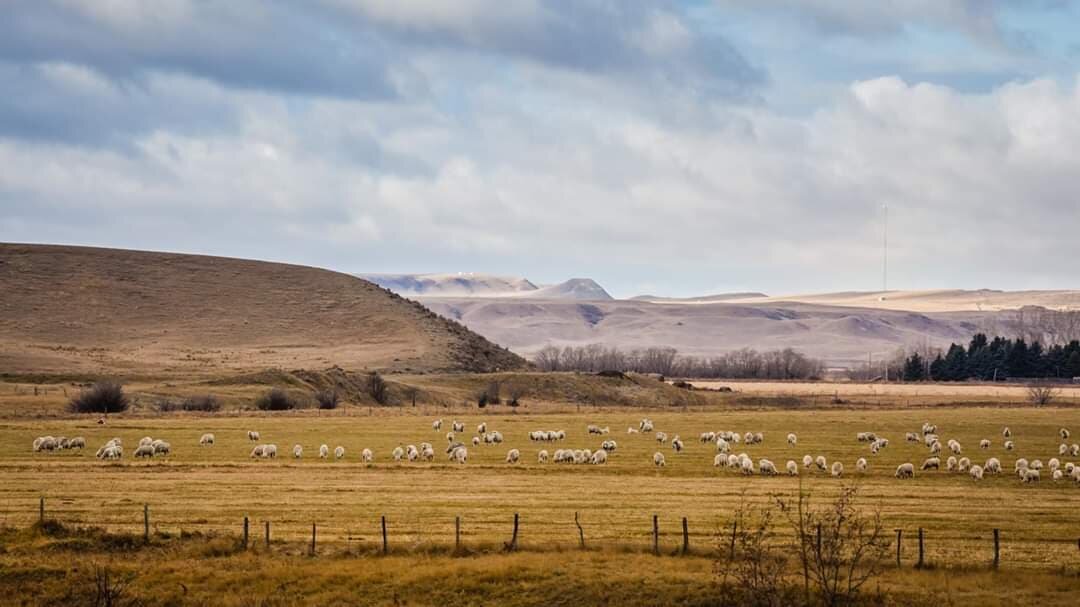
Targhee Sheep Flock in Southeastern Saskatchewan. (photo and flock by Dwane Morvik)
Many of us have turned to our needles, hooks and spinning wheels during this time as a source of comfort, distraction and peace. But have we paused to think about where our wool comes from and who is involved in getting it from sheep to skein? How are the farmers going to continue growing good wool if they aren't being paid for it? How will wool brokers purchase and sell wool if the markets are closed? And what will it look like if wool is sitting in warehouses around the globe rather than being processed and shipped to our favourite indie-dyers?
Perhaps the more pressing questions are: why have we left the production of this incredible resource to such a broken, fragile system? Why have we allowed the growing and processing of our food and clothing to be so far removed from our communities? Is there a path to shrinking the supply chain? Or better yet, adding value to our wool and textile systems?
There is a global movement called Fibershed that works to build resilience into our textile and wool systems. “In describing a fibreshed, we focus on elements in our region that contribute to the ways we create fabric for clothing and other household uses. We connect producers, processors, artisans, and consumers in a dynamic system that sustainably manages resources and strengthens our ties to the land.” (From the Pembina Fibreshed)
Much of our days are filled with concern and insecurity about what the future may bring for us individually or as a country. Now is the time for constructive conversations about how to build different systems that will sustain us and our landbase now and in the future.
4 ways to build resilience in our Canadian Fibreshed:
1) Connect with and support the producers, farmers, designers and dyers, using local plant material, in your area.
Imagine the power and resiliency we would see if our geographical areas had the capacity and support to grow, manufacture and distribute our textiles! Communities like this could continue to function despite global disturbances. This would support farmers, mills, dyers, designers, local yarn shops and build stronger communities.
This is a great time to purchase wool or roving from a local farmer or mill. Take an online class that teaches you how to use the natural dye material from your area to dye wool. Reach out to a farmer and buy a full fleece and learn to wash it in your backyard!
Find out if there are farmers in your are utilizing carbon farming practices and support them. Purchasing food and fibre from farmers that prioritize climate beneficial products will have a longer-term effect on building resilience in both our textile systems, but also in our ecological systems.

2) Join your local fibreshed, or initiate one in your community.
Many communities already have fibresheds that support local producers and organize events and workshops that focus on the issues facing specific regions across Canada. Join these organizations, attend their events or start your own. Fibershed California has all the resources necessary to start your own fibershed and make connections with local farmers and producers. (See below a list of Canadian Fibreshed organizations)

Photo by Christel Lanthier
3) Demand justice and equity in our global and domestic textile/wool industry.
Due to the shutdown of our textile supply chain many factories and workers have not been compensated for work that has already been completed. We need to push corporations and governments to compensate workers appropriately and we need to advocate for a reorganization of our supply chains to promote equity for all.
We need to push for a a national conversation about Canadian wool manufacturing and how to localize the production and distribution without relying on unstable global markets. This will not only build resilience for Canadian farmers and manufacturers, it will also help reduce our carbon emissions. By prioritizing localized production in facilities with more stringent environmental policies, we can shrink the supply chain and reduce the transport and resource consumption involved in manufacturing Canadian wool elsewhere.

4) Make, Do, Mend
This time has reminded us that we do not need as much as we consume. Many have dusted off sewing machines to make masks, or to help our kids learn different skills. By making do with what we have, mending what can be repaired and making our own clothing we are building resiliency in our homes, our lives and our communities.
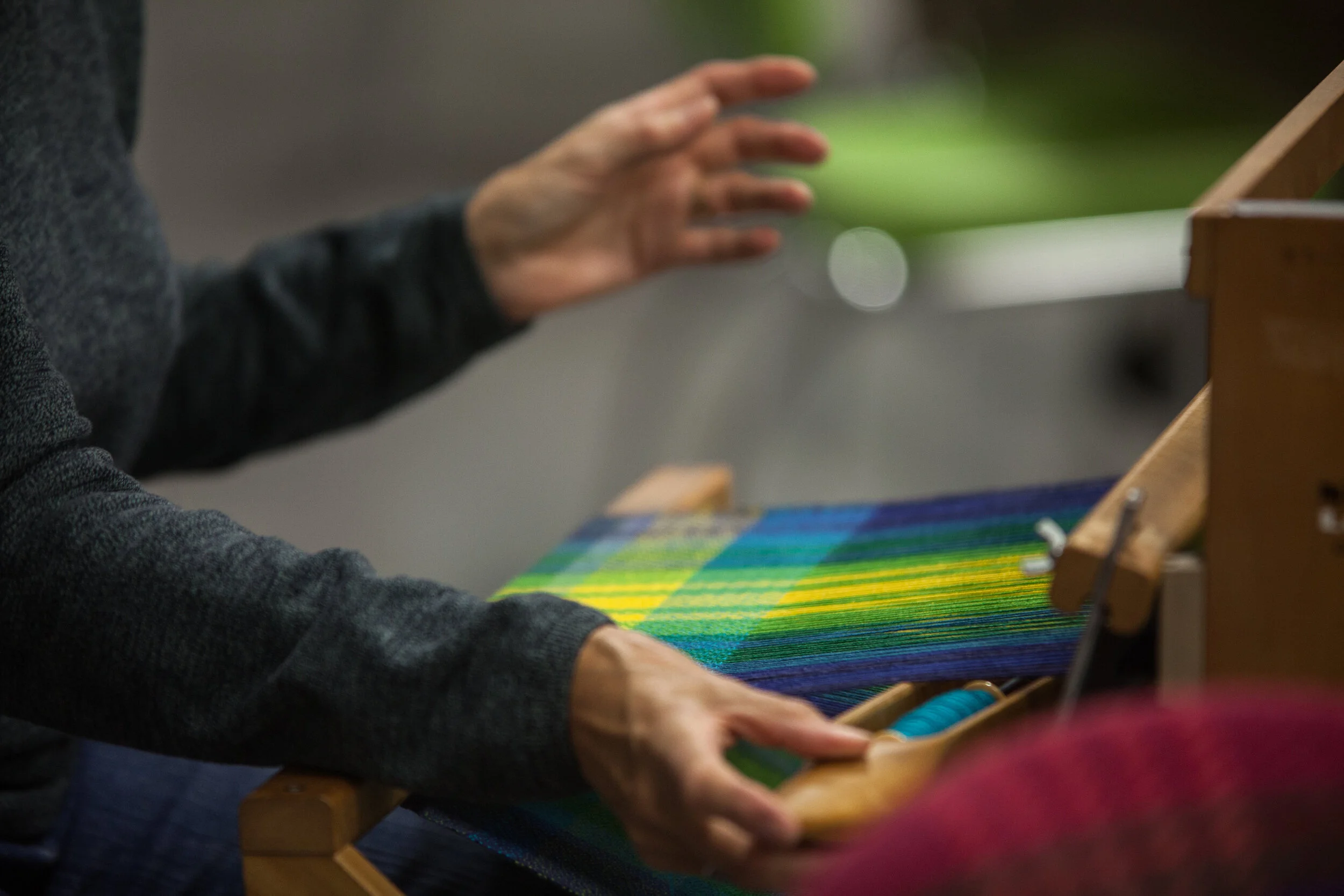
Photo by Christel Lanthier
Canadian Fibreshed Organizations
Other Fibreshed Organizations
From Field to Skin (an excellent resource of Canadian Farmers and Mills)
Why Breed Specific?

We focus on processing breed specific wool at Long Way Homestead. Most folks aren’t aware that there is more than 1 breed (merino) out there, so here is a short primer on why we think focusing on breeds is so important.
1) If we learn about the different breeds, we are more likely to seek out their wool - this actually protects sheep diversity and prevents the loss of heritage sheep breeds. Shetland sheep (pictured) was considered endangered in the 1970's but has made a strong comeback thanks to small farms.
2) Not all wool is the same, this photo represents 5 different breeds of white wool. Each has different characteristics that make it better suited for different projects. Did you know that crimp is directly related to how insulating that particular wool is? Which one of these breeds will work best for your cozy sweater?

3) All wool fibre is covered in thousands of microscopic scales. These scales affect how they look and how they feel and how much insulation it provides. The more you learn about breed specific yarn, the better informed your choices are for each individual project.

4) When you seek out and purchase breed specific yarn, you support small farms and small mills. Having a deeper connection with the source of your fibre helps build a flourishing fibreshed. The need for resilient local supply chains become more obvious as the global wool industry has been halted by recent events.
How you can learn more about breed specific fibre arts:
Check out our breed specific knitting workshops (we will be making this available online soon)
Explore “breed specific yarn for a year” Each month you will receive 100g of yarn from a specific sheep breed and a small card with information about that sheep breed and some suggestions for the best use of that yarn based on the characteristics of the wool.
Find out what sheep breeds the farms and mills in your area are raising and purchase some of their fibre (check out the fibresheds in your are or from field to skin for a Canadian listing)
There are excellent books written about Breed Specific Wool, some of my favourites are: Fleece & Fiber Sourcebook, Knitters Book of Wool, The Spinners Book of Fleece.

-
April 2026
- Apr 6, 2026 Hiring: Pellet Mill Operator Apr 6, 2026
-
February 2026
- Feb 25, 2026 We are bringing our Wool Pellets to Alberta and Saskatchewan once again! Feb 25, 2026
- Feb 6, 2026 New Wool Pellet Research and Free Workshop Feb 6, 2026
-
January 2026
- Jan 21, 2026 Be an Apprentice on our Farm 2026 Jan 21, 2026
- Jan 9, 2026 A Year of Canadian Wool Jan 9, 2026
-
December 2025
- Dec 5, 2025 Staggering Statistics Dec 5, 2025
-
November 2025
- Nov 23, 2025 Annual Holiday Market Nov 23, 2025
-
August 2025
- Aug 31, 2025 Manitoba Research on Wool Pellets Aug 31, 2025
- Aug 6, 2025 Why is there vegetable matter in my yarn - Carbonization and your wool Aug 6, 2025
- Aug 6, 2025 Folk Fest 2025 Aug 6, 2025
-
July 2025
- Jul 22, 2025 We are Hiring - Wool Mill Operator Jul 22, 2025
- Jul 6, 2025 Fibre & Farm Market - Saturday, July 26 Jul 6, 2025
-
May 2025
- May 14, 2025 10 Year Anniversary - Long Way Homestead in Manitoba May 14, 2025
- May 13, 2025 Book Launch - True Cost of Wool May 13, 2025
- May 1, 2025 Celebrate our 10 year Anniversary May 1, 2025
-
April 2025
- Apr 13, 2025 Upcoming Teaching and Speaking Events - Find a date near you! Apr 13, 2025
-
February 2025
- Feb 3, 2025 A note about Canadian Wool and the new USA Tarrifs Feb 3, 2025
-
January 2025
- Jan 25, 2025 Traceability & Transparency Jan 25, 2025
-
December 2024
- Dec 2, 2024 Big Bluestem Yarn Dec 2, 2024
-
October 2024
- Oct 16, 2024 2025 Calendar is here! Oct 16, 2024
- Oct 1, 2024 NEW Book - True Cost of Wool Oct 1, 2024
-
September 2024
- Sep 25, 2024 Fibre & Farm Fall Market - Saturday, Oct 5, 2024 Sep 25, 2024
- Sep 22, 2024 Top 10 Take-Aways from Sheep & Wool Camp - by Jane Westheuser Sep 22, 2024
-
June 2024
- Jun 7, 2024 Why Natural Dye Jun 7, 2024
-
April 2024
- Apr 26, 2024 Shearing Day Lunch - Recipe Apr 26, 2024
- Apr 12, 2024 Wool Bedding and Sleep Science Apr 12, 2024
-
January 2024
- Jan 19, 2024 Lectures and Presentation on Canadian Sheep and Wool Jan 19, 2024
- Jan 10, 2024 New Sheep - Welcome to our Registered Flock Jan 10, 2024
-
November 2023
- Nov 11, 2023 Merry Maker Market Nov 11, 2023
- Nov 5, 2023 Fibre & Farm Holiday Market Nov 5, 2023
- Nov 1, 2023 Holiday Gift Guide 2023 Nov 1, 2023
-
October 2023
- Oct 19, 2023 Pasture Raised Lamb for Sale Oct 19, 2023
- Oct 15, 2023 Celebrating 5 Years - RECAP Oct 15, 2023
- Oct 9, 2023 Grassland Yarn Oct 9, 2023
-
September 2023
- Sep 19, 2023 Wool Mill Celebration & Reflections Sep 19, 2023
-
July 2023
- Jul 31, 2023 5-Year Mill-aversary - come celebrate with us Jul 31, 2023
-
June 2023
- Jun 4, 2023 Fibre & Farm - Sunday, July 16 2023 Jun 4, 2023
-
January 2023
- Jan 1, 2023 Join us for a Farm & Mill Apprenticeship - Summer 2023 Jan 1, 2023
-
December 2022
- Dec 27, 2022 Is the Breed Study Right For You? Dec 27, 2022
- Dec 15, 2022 NEW On-line Breed Study Dec 15, 2022
-
November 2022
- Nov 26, 2022 About Wool Dryer Balls Nov 26, 2022
-
August 2022
- Aug 13, 2022 A Letter to the Federal Ag Minister Aug 13, 2022
-
June 2022
- Jun 10, 2022 Fibre & Farm Market Jun 10, 2022
-
May 2022
- May 15, 2022 Hiring a Fibre Mill Apprentice May 15, 2022
-
April 2022
- Apr 10, 2022 Shearing Festival 2022 Apr 10, 2022
-
March 2022
- Mar 29, 2022 Dealing with Waste Wool - Pellets Mar 29, 2022
-
February 2022
- Feb 24, 2022 A Little Too Little.... Feb 24, 2022
- Feb 5, 2022 Canadian National Mill Inventory Survey Feb 5, 2022
-
December 2021
- Dec 10, 2021 Canadian Wool Research & Data 2021 Dec 10, 2021
-
August 2021
- Aug 1, 2021 The Effect of Drought on Wool Production Aug 1, 2021
-
July 2021
- Jul 5, 2021 Fibre & Farm Market Jul 5, 2021
-
May 2021
- May 28, 2021 SponsorSHEEP Lambs 2021 May 28, 2021
-
December 2020
- Dec 16, 2020 Canadian Wool/Sheep Producers Survey Dec 16, 2020
-
November 2020
- Nov 10, 2020 Holiday Gift Guide 2020 Nov 10, 2020
- Nov 1, 2020 Traceability in the Canadian Wool Supply Chain Nov 1, 2020
-
August 2020
- Aug 27, 2020 Manitoba Fibre Trail Aug 27, 2020
-
July 2020
- Jul 22, 2020 Flower & Fibre Natural Dye Workshops Jul 22, 2020
- Jul 8, 2020 Farm Demonstration - Growing, Harvesting and Processing Japanese Indigo Jul 8, 2020
-
May 2020
- May 29, 2020 SponsorSHEEP Lambs 2020 May 29, 2020
- May 19, 2020 Building Resilient Fibre Systems in Canada - by Anna Hunter May 19, 2020
-
April 2020
- Apr 14, 2020 Why Breed Specific? Apr 14, 2020
-
February 2020
- Feb 18, 2020 New House Yarn - Polypay Chunky Feb 18, 2020
-
November 2019
- Nov 12, 2019 Gift Guide 2019 Nov 12, 2019
-
June 2019
- Jun 5, 2019 SponsorSHEEP lambs 2019 Jun 5, 2019
-
May 2019
- May 19, 2019 Shearing Festival April 2019 May 19, 2019
-
August 2018
- Aug 5, 2018 Lamb Day 2018 Aug 5, 2018
-
June 2018
- Jun 1, 2018 SponsorSHEEP 2018 - Jun 1, 2018
-
May 2018
- May 27, 2018 Shearing Day 2018 May 27, 2018
-
April 2018
- Apr 6, 2018 Surprise Lambs Apr 6, 2018
-
January 2018
- Jan 30, 2018 Breeding Season Part III: Chickens. (A post by Luke) Jan 30, 2018
-
December 2017
- Dec 24, 2017 Breeding Season Part II: SHEEP - A Post by Luke Dec 24, 2017
- Dec 3, 2017 Breeding Season Part 1: LLAMAS - A Post by Luke Dec 3, 2017
-
September 2017
- Sep 4, 2017 Our Year of Living Shepardly - A Post by Luke Sep 4, 2017
-
June 2017
- Jun 18, 2017 Lamb Day - June 25th Jun 18, 2017
- Jun 12, 2017 Sponsorsheep June 2017 Jun 12, 2017
-
May 2017
- May 30, 2017 REVIEW - SLOW TV: NATIONAL KNITTING NIGHT - a post by Luke May 30, 2017
- May 6, 2017 First Sponsorsheep Drop - May 7 May 6, 2017
-
April 2017
- Apr 2, 2017 Naturally Dyed Eggs Apr 2, 2017
-
February 2017
- Feb 5, 2017 Dakota Spinning Mill - A post by Anna Feb 5, 2017
-
January 2017
- Jan 25, 2017 Training Day Jan 25, 2017
-
December 2016
- Dec 12, 2016 Book Review: Haynes Sheep Manual - A post by Luke Dec 12, 2016
- Dec 4, 2016 Llama Trauma - a post by Luke Dec 4, 2016
-
October 2016
- Oct 30, 2016 Chickens of Destiny - a Post by Luke Oct 30, 2016
- Oct 24, 2016 Pattern Book Review - Flotsam & Jetsam by Ash Alberg Oct 24, 2016
- Oct 17, 2016 Sheep! Oct 17, 2016
- Oct 9, 2016 THE BALLAD OF WHEEZY MCSICKY PANTS - A Post by Luke Oct 9, 2016
-
September 2016
- Sep 26, 2016 Plants vs. Chickens Sep 26, 2016
-
August 2016
- Aug 30, 2016 Mama Llama Drama - a post by Luke Aug 30, 2016
-
July 2016
- Jul 27, 2016 Rooster Soup - Post by Luke Jul 27, 2016
- Jul 24, 2016 A Fence Post Jul 24, 2016
-
June 2016
- Jun 29, 2016 Arrivederci Figaro - A post by Luke Jun 29, 2016
- Jun 12, 2016 Jurassic Marsh - A post by Luke Jun 12, 2016
- Jun 5, 2016 Drive or be Driven Jun 5, 2016
-
May 2016
- May 20, 2016 Picking up Chicks May 20, 2016
- May 13, 2016 I might be crazy May 13, 2016
New House Yarn - Polypay Chunky
I’m very excited to release our newest breed specific yarn. Polypay Chunky - a beautiful full bodied yarn that is both fine and durable made from Polypay wool. Polypay was created by cross breeding targhee, Dorset, Rambouillet and Finn sheep. It is a perfect dual purpose sheep. The wool is soft and insulating, but also durable. We have spun it as a 3-ply chunky weight yarn 115m/100g.

The talented Rebecca Gunderson knit up this dreamy sweater in our Polypay Chunky. The pattern by Canadian designer Standard knits is called the Pender Cardigan.

Our Polypay wool is purchased from Silverbend Ranch in Western Manitoba, Brian Greaves and Karen Hill are the stewards of 1600 acres of farm land and have made massive strides in sustainable and regenerative livestock farming in Manitoba. They utilize farming practices such as no-till seeding, polycropping and winter bale grazing. They re-established hay land from severely nutrient deficient crop land by adding shelter belts and adding piped water to allow for rotational grazing, they restored the wetland with fencing to keep out livestock and utilized solar water pumps. In 2018 they were recognized as Farm Family of the Year in Manitoba.

Picture from Pembina Valley Online
They are also committed to producing a healthy dual purpose flock, focusing on a top-quality wool and improved fertility in their sheep. Brian has also been a strong advocate for the Canadian sheep and wool industry.
When you use this wool you are contributing to the livelihood of a farm that is actively working to sequester more carbon from the atmosphere into the soil. A truly climate beneficial wool.

We will be releasing a small amount of it during our pop-up shops in February in Edmonton and Calgary, and then we will have a whole bunch during Knit City in Montreal.
Gift Guide 2019

Here are our top picks for your holiday shopping.
Thanks for supporting our mill and small farm!
If you don't live in Manitoba, we encourage you to find out who your local farmers are.
Purchasing directly from small farms makes a huge impact on our ability to do the kind of work we do!

click here to purchase the choose wool tote bag

click here to purchase the greeting cards

click here to purchase the climate positive toque

click here to purchase the wool pillows
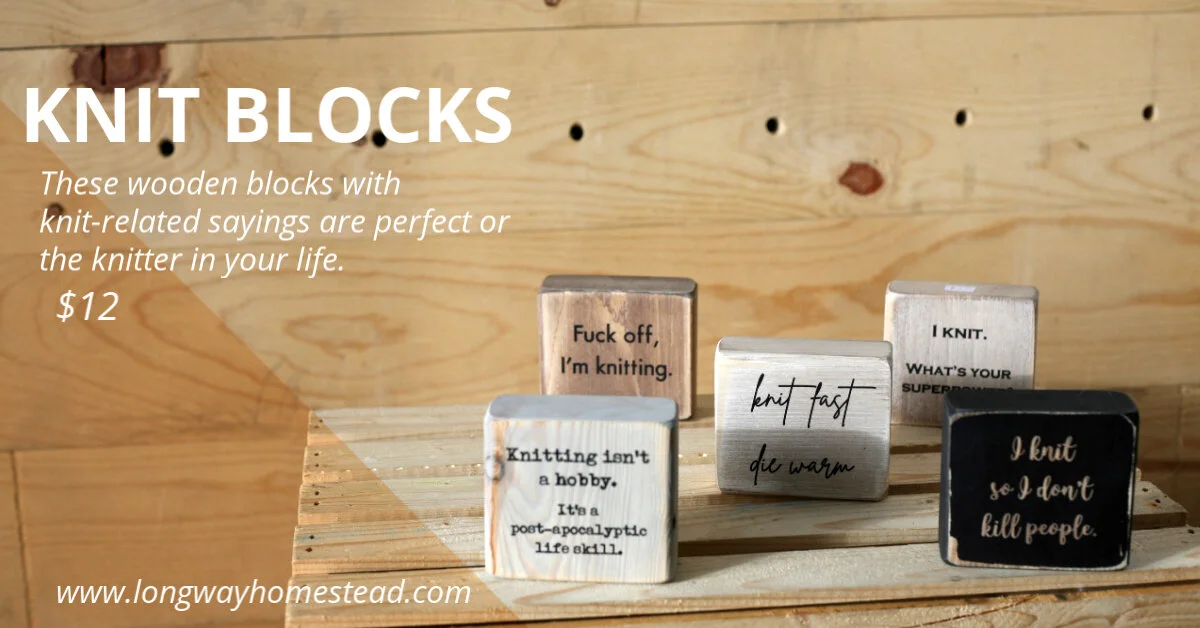
click here to purchase the knit blocks

click here to purchase the wool cat beds

click here to purchase the wool dryer balls

click here to purchase yarn - updated weekly until December 1st
SponsorSHEEP lambs 2019
On Friday, June 7th at 9am (central standard time) we will be releasing our 2019 round of sponsorSHEEP lambs! We have 9 girls that we will be releasing for sponsorSHEEP. To sponsor any of them please visit the farm store here.
PLEASE NOTE: due to the limitation of our website, the only option available in the farm store is for $100 sponsorship. Please choose this option and if you want a higher level of sponsorSHEEP we will settle later.
Here is the description of this years new lambs available for sponsorSHEEP.
Betty’s Girl #1
This is a pure shetland ewe, her fleece looks very dark black, but we imagine it will lighten to a dark brown by the years end. She is fast and speedy, she worked hard to avoid these pictures!

Betty’s Girl #2
This is a pure shetland ewe, her fleece reminds me of her mama’s and will most likely be a medium brown (Moorit). She loves being with her sister and has a strong voice to call for her mama.

Lottie’s Girl
Lotti’s girl is a pure shetland ewe lamb. She reminds me a lot of her mama when she was born. Her fleece is very dark now, but if like her mama’s colouring will lighten into a light grey by years end, and we love her light little ear tips. She loves playing with her brother and is very loud with her calls!

Pearl’s Girl
This is a pure shetland ewe lamb. She is a very dark brown, but I wonder if she will lighten up to her mother’s colour which is more of a medium brown (moorit). She has a cute little patch of white on top of her head and she loves playing with her brother and often panics when she gets too far away from her mama.

Claire’s Girl
The last born this year, and kind of a surprise (we didn’t think Claire had gotten pregnant) A beautiful pure shetland ewe that looks exactly like her mama when she was born. We wonder if her fleece will fade to a lovely medium gray by the end of the year. Even though she is only one day old, she is already full of life and bounces! She has a curious spirit much to her dotting mother’s chagrin.

Tansy’s Girl
This beauty is a mix of merino/tunis/rambouillet. She has big floppy ears and a beautiful patch of white on her head. I imagine her colour will fade to a light brown/beige by the end of the year. She is long and leggy and loves to flop in a pile with her twin brother for a nap.

Sunna’s Girl (dark)
Sunna had triplet girls this year, but only accepted this one, she is a mix of merino/tunis/rambouillet She is already so much bigger than all the other lambs because her mama was so much milk I’m sure. She has dark fibre that will probably change to a dark brown.

Sunna’s Girl (light 1)
This little girl was rejected by Sunna at birth (we have no idea why), but we kept her in the house and bottle fed her and she is thriving. She is a mix of merino/tunis/rambouillet and her fleece will stay a bright white colour (just like her dad). She is the smallest of the triplets, but full of life and energy.

Sunna’s Girl (light 2)
This little one was also rejected by Sunna, but is doing great now after two weeks in the house. We still feed her and her sister with a bottle three times a day. She is a mix of merino/tunis/rambouillet and her fleece is a bright white colour. She loves to chase all the other lambs.

Shearing Festival April 2019
What an amazing celebration of wool and fibre. Thank you so much to everyone that came out to support the farm and watch the harvest of our wool! Thanks to the amazing vendors who came and set up and provided free demonstrations on dyeing, spinning, weaving and more.
Knowing that this community is interested in sustainable, textile production is so encouraging and we areso encouraged by all those that chose to spend their Saturday at our farm. A huge thanks to Christel Lanthier from Ferme Fiola Farm for all the photos of the day.


We had over 200 people attend Shearing Festival. Many had never seen a sheep be shorn before!

Our fantastic shearer Stacey!

The incredible fleece skirting team did a fantastic job of cleaning up the fleeces!

Our amazing vendors did natural dye demos, sock machines, indigo dip, weaving and more!

Fresh eggs, fresh alpaca yarn and other great goodies!

Thank you to everyone who helped make this an amazing day!

Spinning demo!

Long Way Homestead naturally dyed yarn

First time shearing for little Rosie.

Bjorn and his beautiful fleece!

Post shearing chin scratches, must feel so good to have such a close shave!

Post Shearing - hardly recognize these girls!
Lamb Day 2018
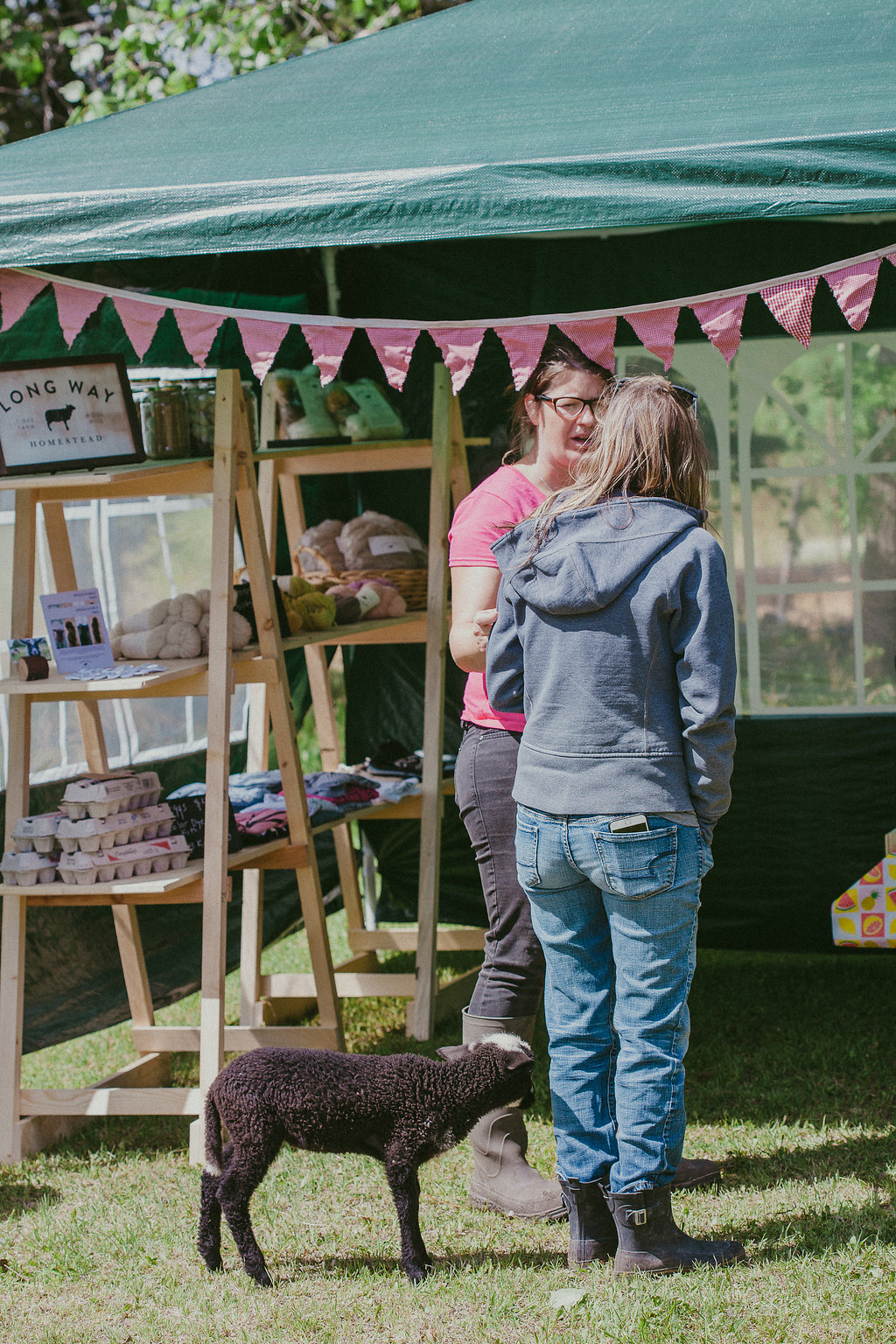
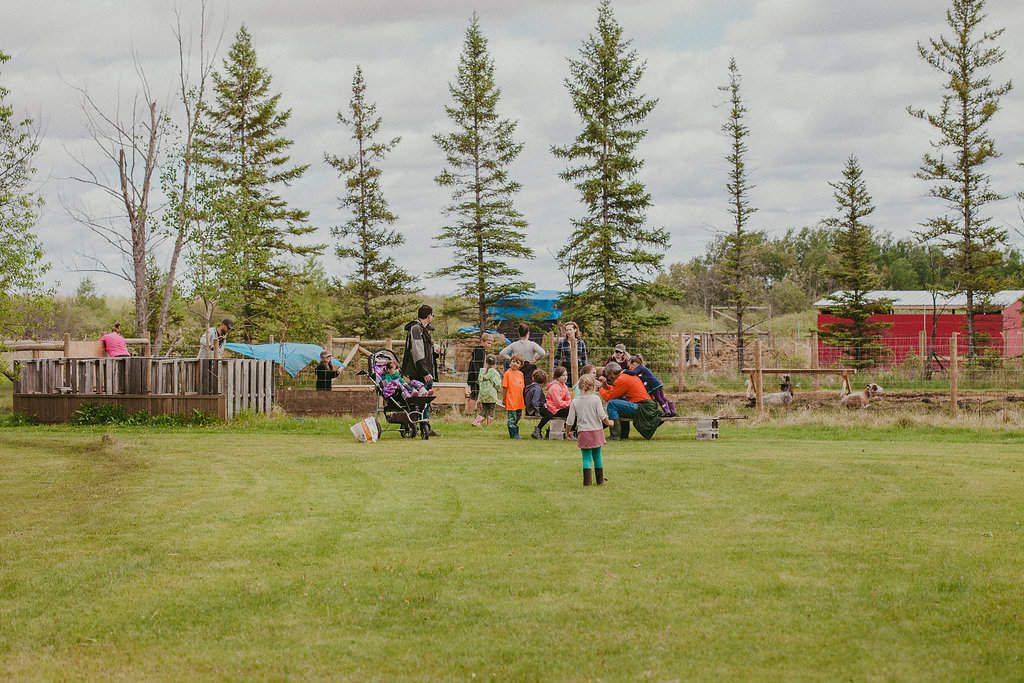
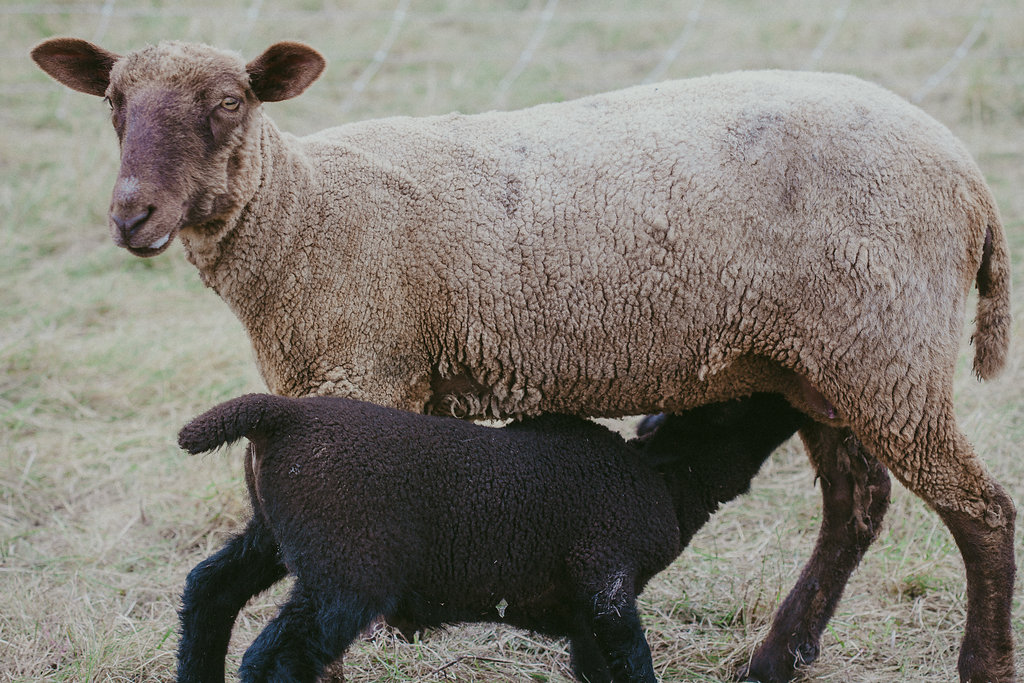
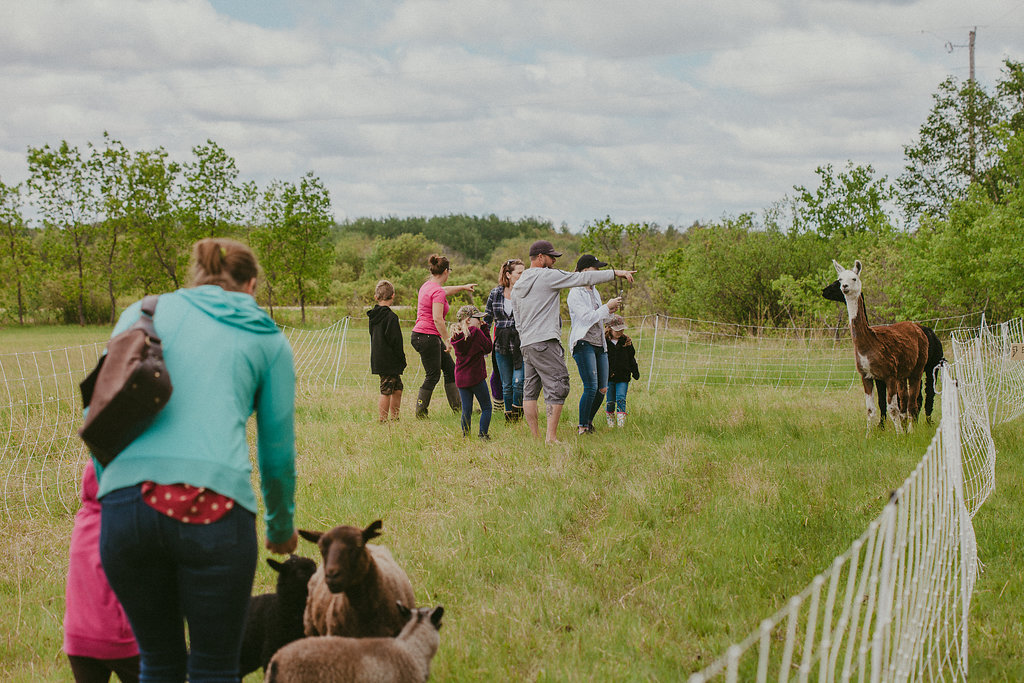
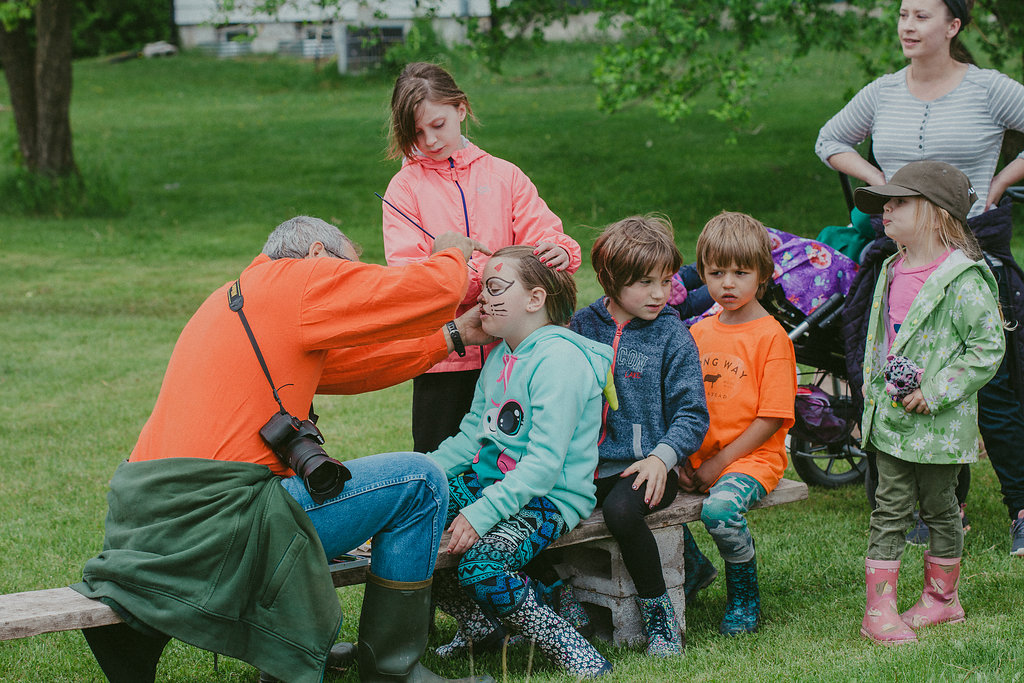
Thanks to everyone who came out to our lamb day. It was such a fantastic day of food, friends, and lots of lamb snuggles.

We had about 80 people come and meet our new lambs and chicks and enjoy some family farm fun!
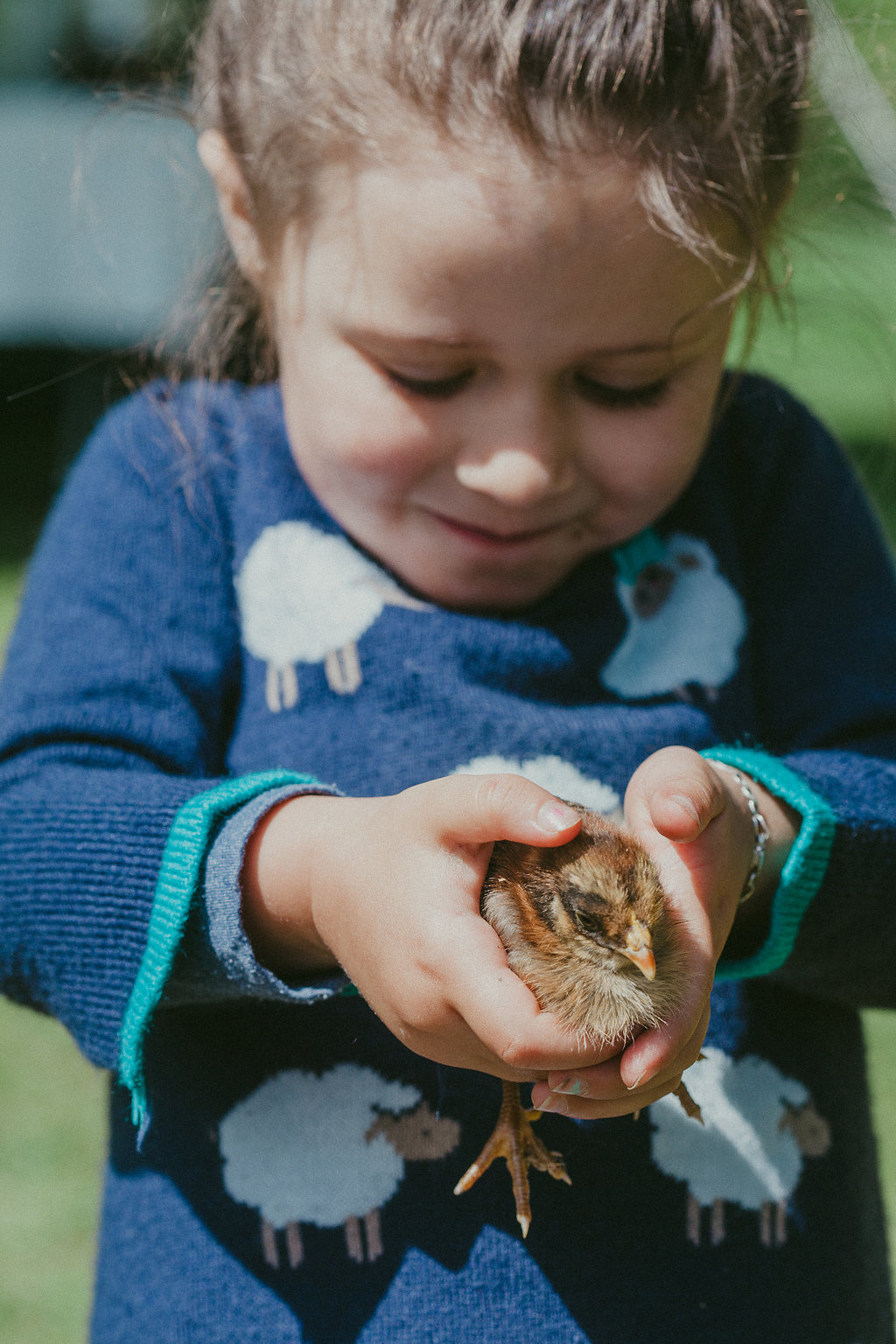
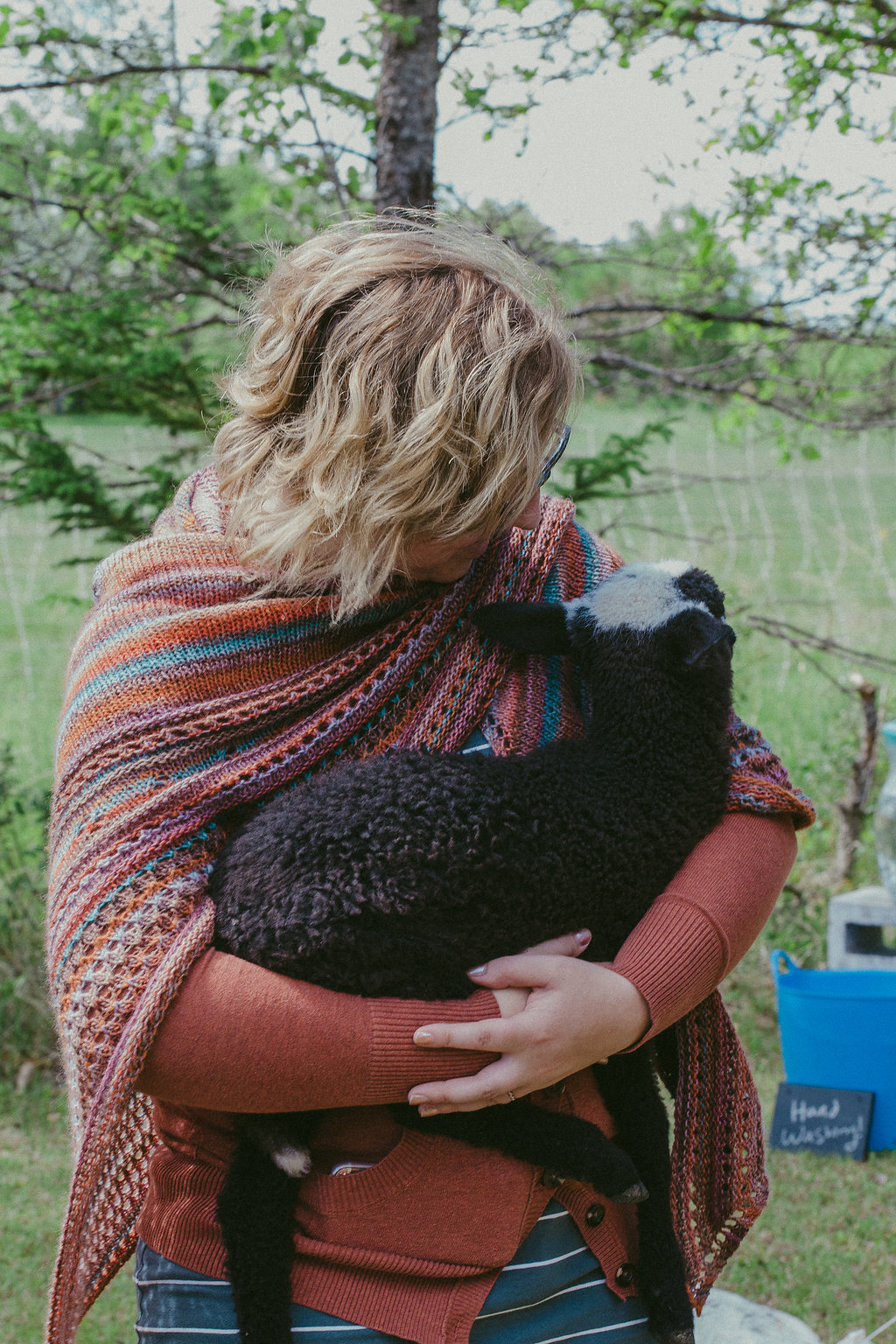
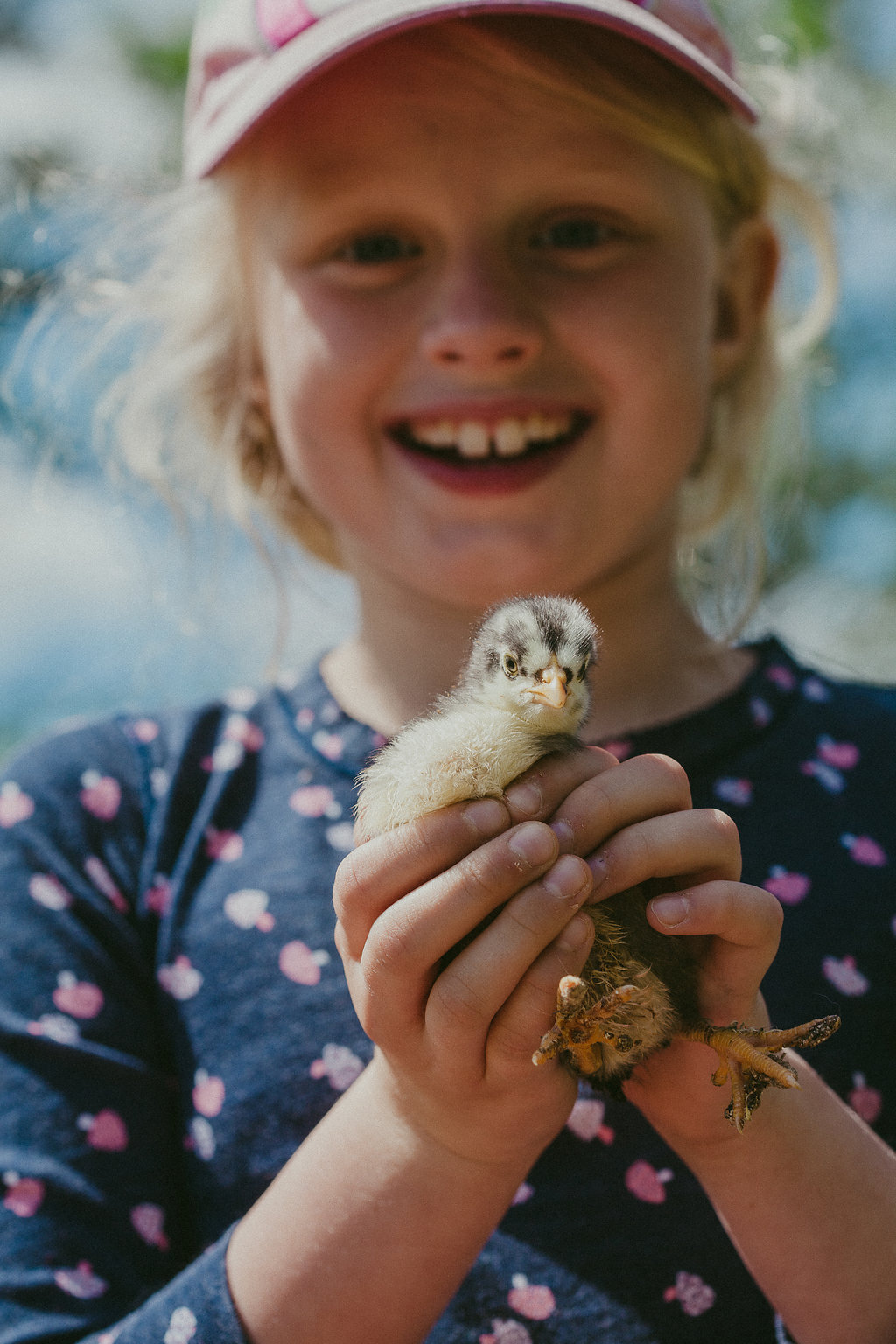
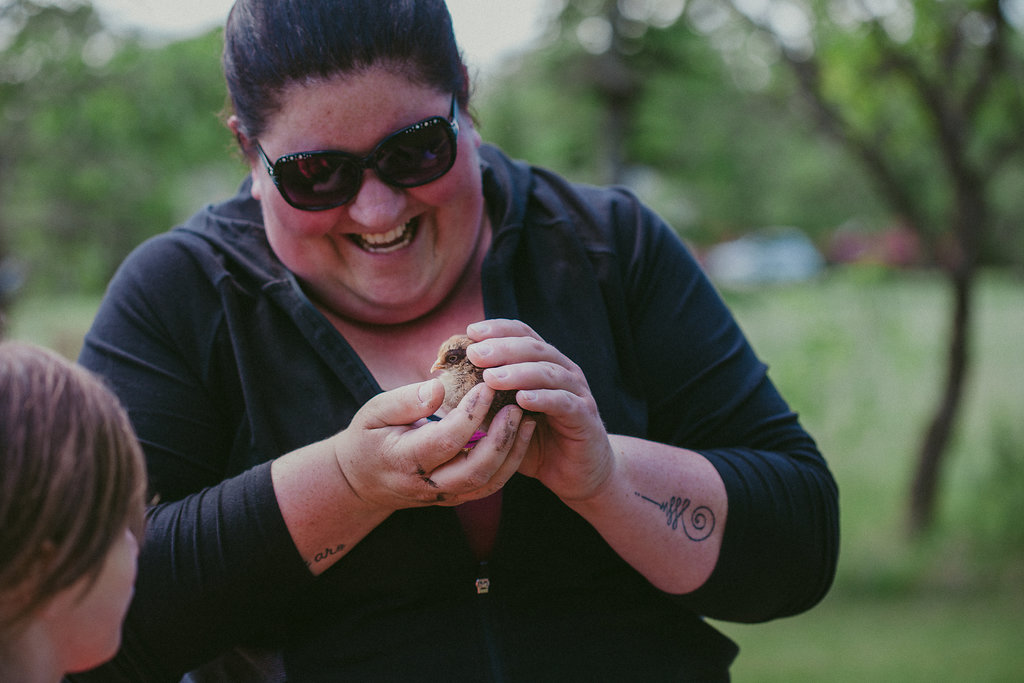
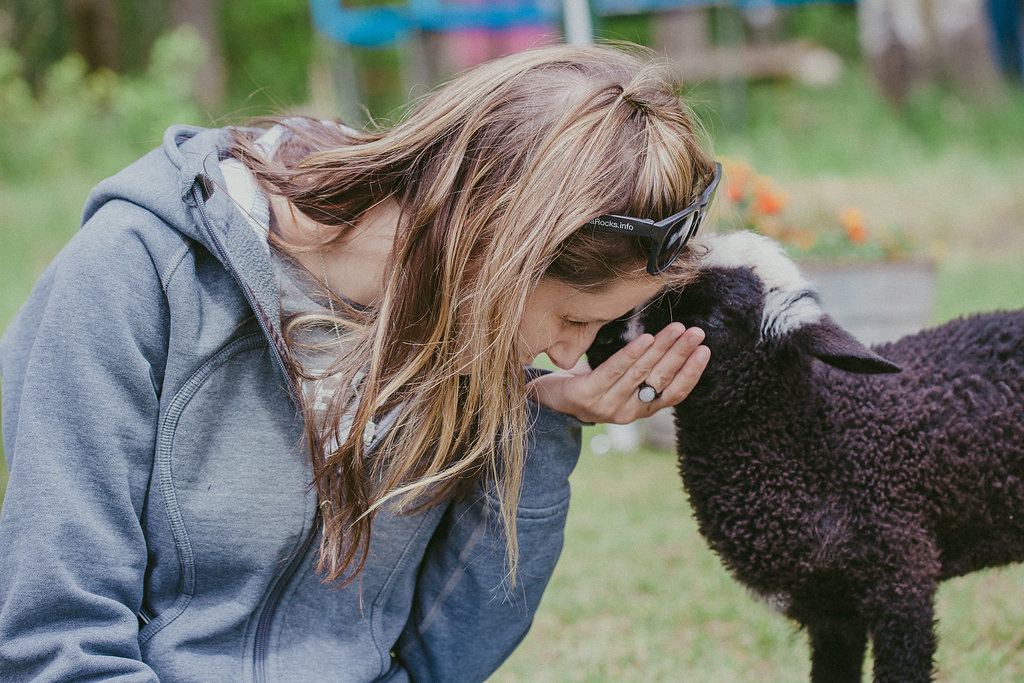
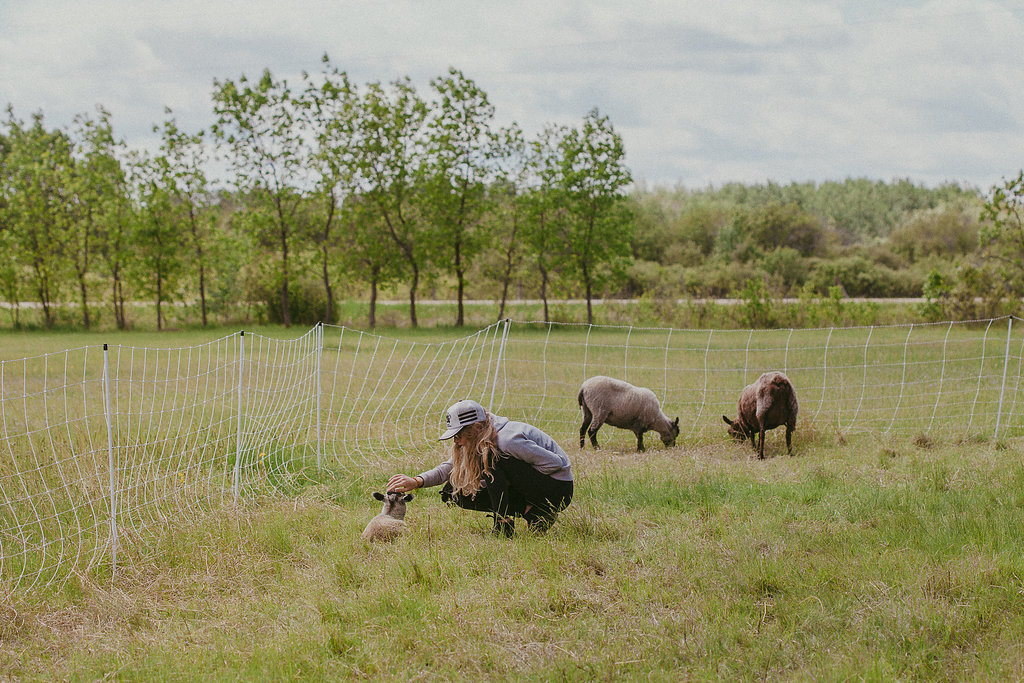
A huge thanks to Christel Lanthier for taking great photos of the day - I was so distracted I don't think I took a single photo!


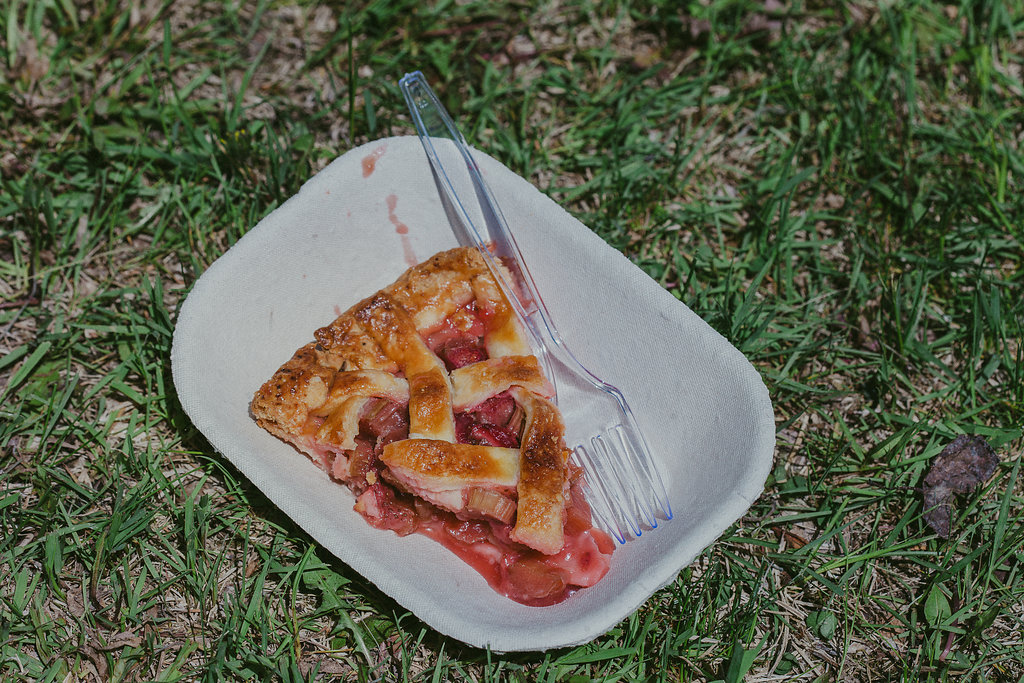
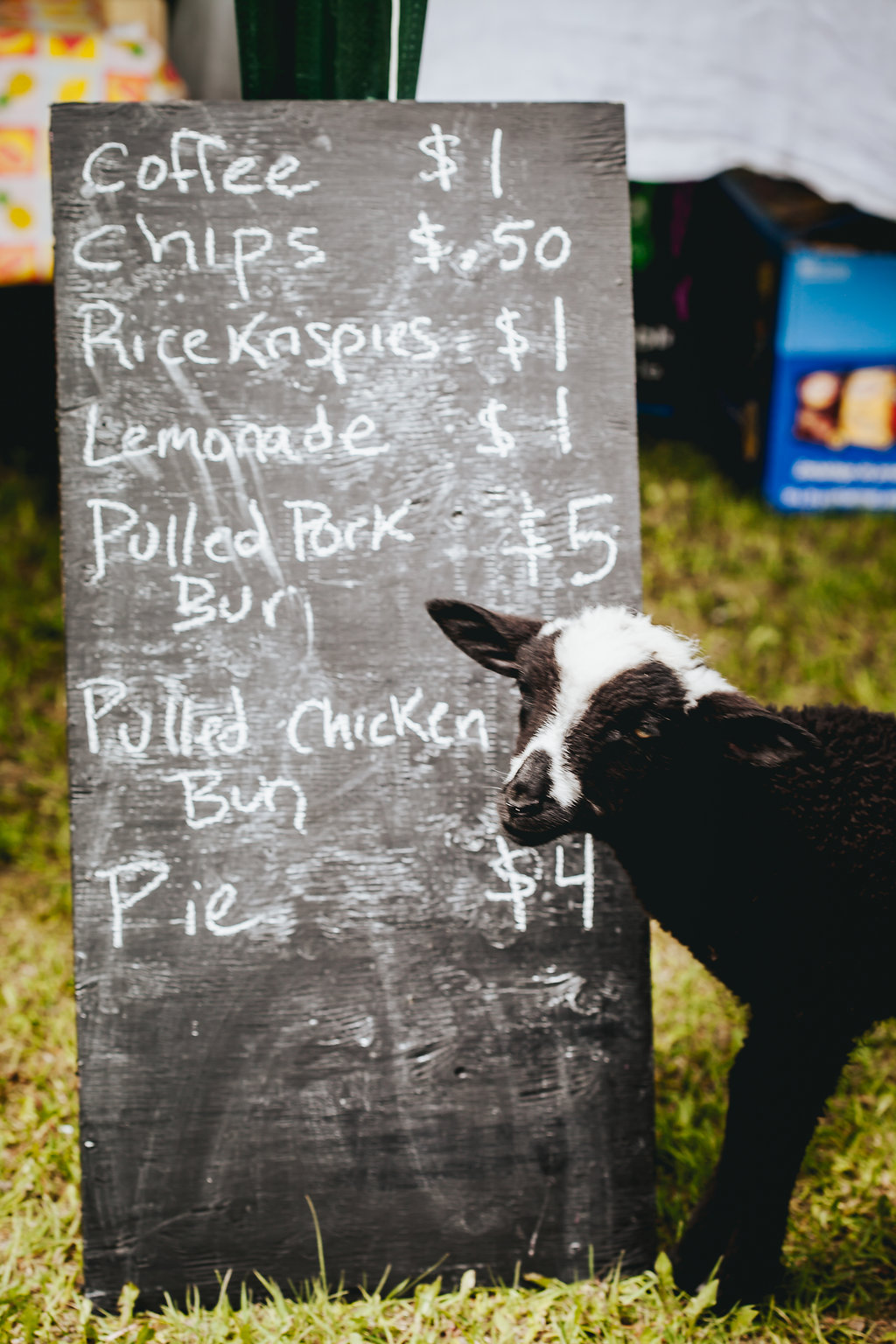
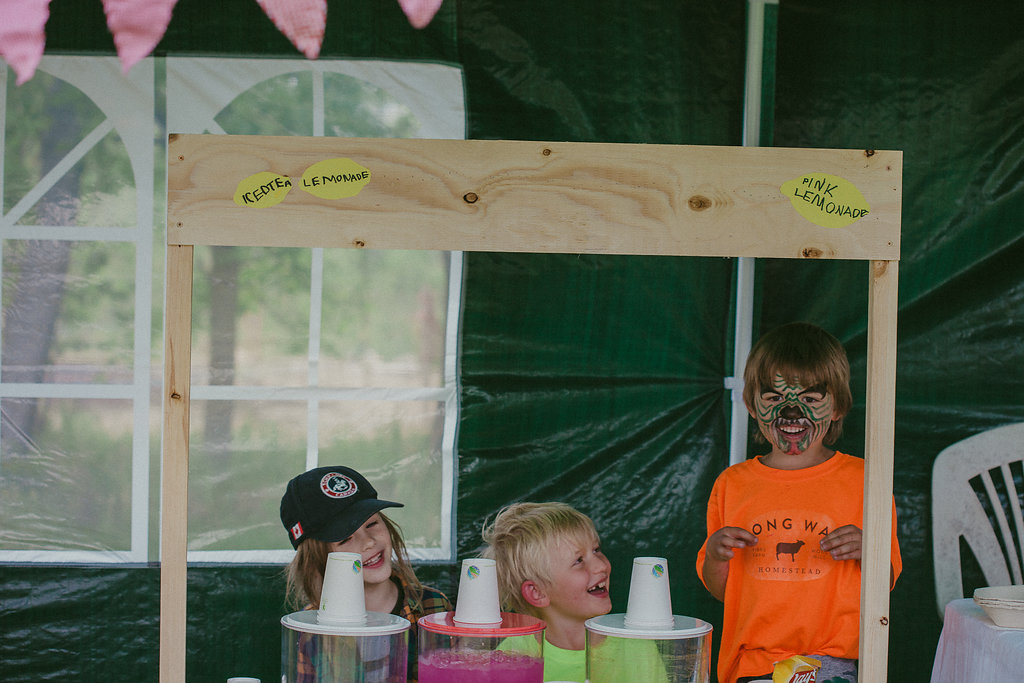
We served pulled pork on a bun (made with our own pastured pork) and homemade strawberry rhubarb pie (with fruit we picked), and most of you got talked into trying the crazy lemonade from the lemonade stand the kids made!
We will see you all again for our next open farm day!
SponsorSHEEP 2018 -
On Friday, June 1st at 6pm (central standard time) we will be releasing our 2018 round of sponsorSHEEP lambs! We have 8 girls that we will be releasing for sponsorSHEEP. To sponsor any of them please visit the farm store here.
PLEASE NOTE: due to the limitation of our website, the only option available in the farm store is for $100 sponsorship. Please choose this option and if you want a higher level of sponsorSHEEP we will settle later.
Here is a description of the 2018 Lambs:
Shetland Ewe - Ashoka's Daughter

This ewe lamb was born on May 10, 2018 weighing 2.5kg. Her mother is Ashoka and the sire is Muddy, both are purebred shetland sheep. She has a twin brother. She is a very socialized girl, she loves chin scratches and playing with all the other lambs. Her colouring is beautiful as you can see in the pictures. It will be so interesting to watch as the year goes on how her fleece changes.
Shetland Ewe - Erica's Daughter
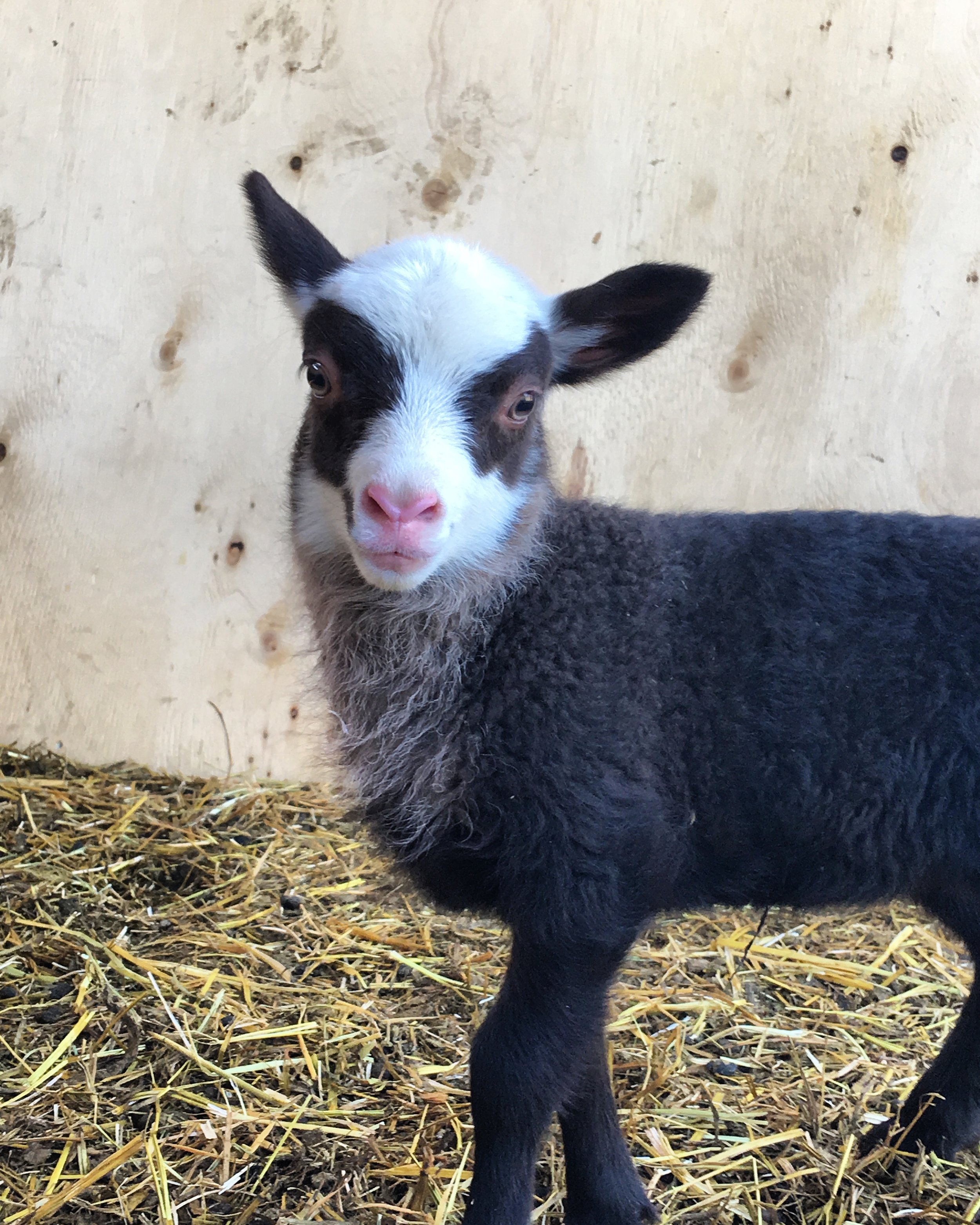
This ewe lamb was born on May 15, 2018 weighing 2.5kg. Her mother is Erica and the sire is Muddy, both are purebred shetland sheep. She has a twin brother. We have nicknamed her brown beard for the time being because of the beautiful patch of grey/brown fleece down her neck. She has beautiful fleece and we love that she is carrying on her mother’s eye-patches.
Shetland Ewe - Bryn's Daughter #2

This ewe lamb was born on May 24, 2018 weighing 2. kg. Her mother is Bryn and the sire is Muddy, both are purebred shetland sheep. She has a twin sister, with a lighter brown face. She was much larger than her sister when she was born, but is much more timid than her sister. She hides behind Bryn and is the hardest one for me to take photo’s of. Her fleece is beautiful and I look forward to watching it develop this year!
Shetland Ewe - Bryn's Daughter #1 SponsorSHEEP

This ewe lamb was born on May 24, 2018 weighing 2.15kg. Her mother is Bryn and the sire is Muddy, both are purebred shetland sheep. She has a twin sister, with a darker black/grey face. She was much smaller than her sister when she was born, but she makes up for it in attitude. You can always tell when she is looking for her mama - she might be the loudest lamb we have!
Shetland Ewe - Cairo's Daughter #1

This ewe lamb was born on May 19, 2018 in the middle of a huge rain storm in the middle of the night she weighed 2.5kg. Her mother is Cairo and the sire is Muddy, both are purebred shetland sheep. She has a twin sister. She is a very playful lamb, and we love watching her run, because every time she runs anywhere she does this awesome sideways kick in the air. She has the classic markings of her mom and her half sisters
Shetland Ewe - Cairo's Daughter #2

This ewe lamb was born on May 19, 2018 in the middle of a huge rain storm in the middle of the night she weighed 2.5kg. Her mother is Cairo and the sire is Muddy, both are purebred shetland sheep. She has a twin sister. She is very dark with a few white hairs on the top of her head. She loves to play with the other lambs, but isn’t very adventurous on her own yet. Her fleece is a beautiful dark brown.
Shetland Ewe - Nora's Daughter #1

This ewe lamb was born on May 23, 2018 weighing 2.25kg. Her mother is Nora and the sire is Muddy, both are purebred shetland sheep. She has a twin sister. She is still so tiny, but has started playing with all the other sheep. She is very mindful of where her mom is, and will stick close by most of the time. Her colouring is lovely, and was a shock, as this mom usually only has dark brown lambs!
Shetland Ewe - Nora's Daughter #2

To read about the perks involved in sposorSHEEP you can read about it over here.
Shearing Day 2018
Shearing is hands-down my favourite day on the farm, I even enjoy it more than lambing (which is hard to beat because little cute lambs are amazing). It is a celebration for me, in fact, next year I think there should be shearing day cake!
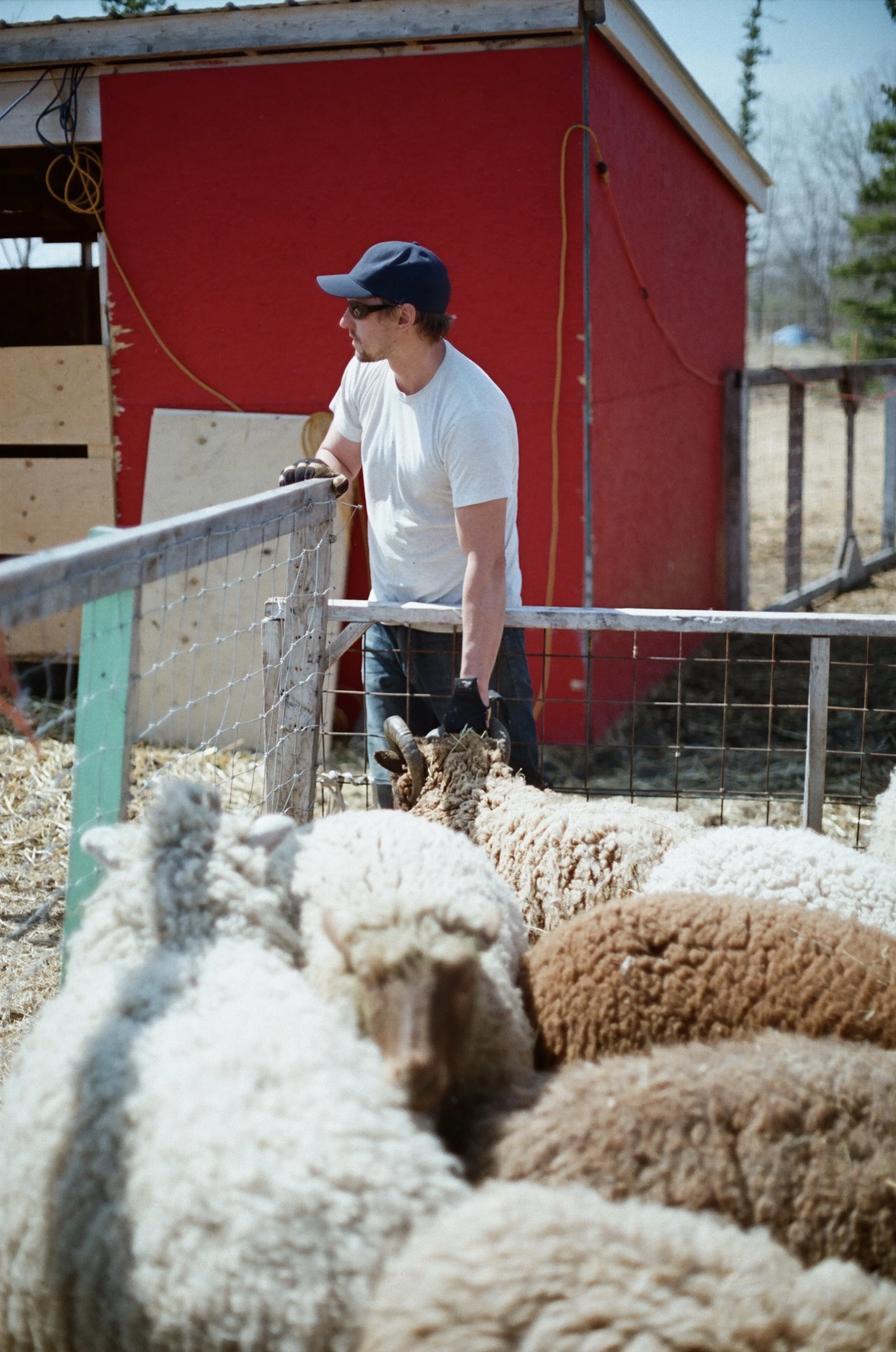
Luke our sheep wrangler for the day (Photo by Mackenzie Smith)
We finally get to see what the fleeces - that we've spent all year worrying about - are actually like. I can get a real look at the colour, the crimp, the staple length, and I can dream about what it will look like once it's all washed and spun. It is our version of the harvest. A representation of all our hard work. It's a celebration.

Look at this beautiful fibre (Photo by Mackenzie Smith)
It was a beautiful, sunny day and we had so many good friends and fibre-lovers join us. It was amazing to have so many people here to witness the shearing, to help with the skirting, and to share in this celebration.

A few of our younger participants (Photo by Mackenzie Smith)
Our shearer Stacey is amazing, she is fast and strong and did a great job of shearing our animals. She gave a little lesson on how she shears as all the kiddo's listened intently.
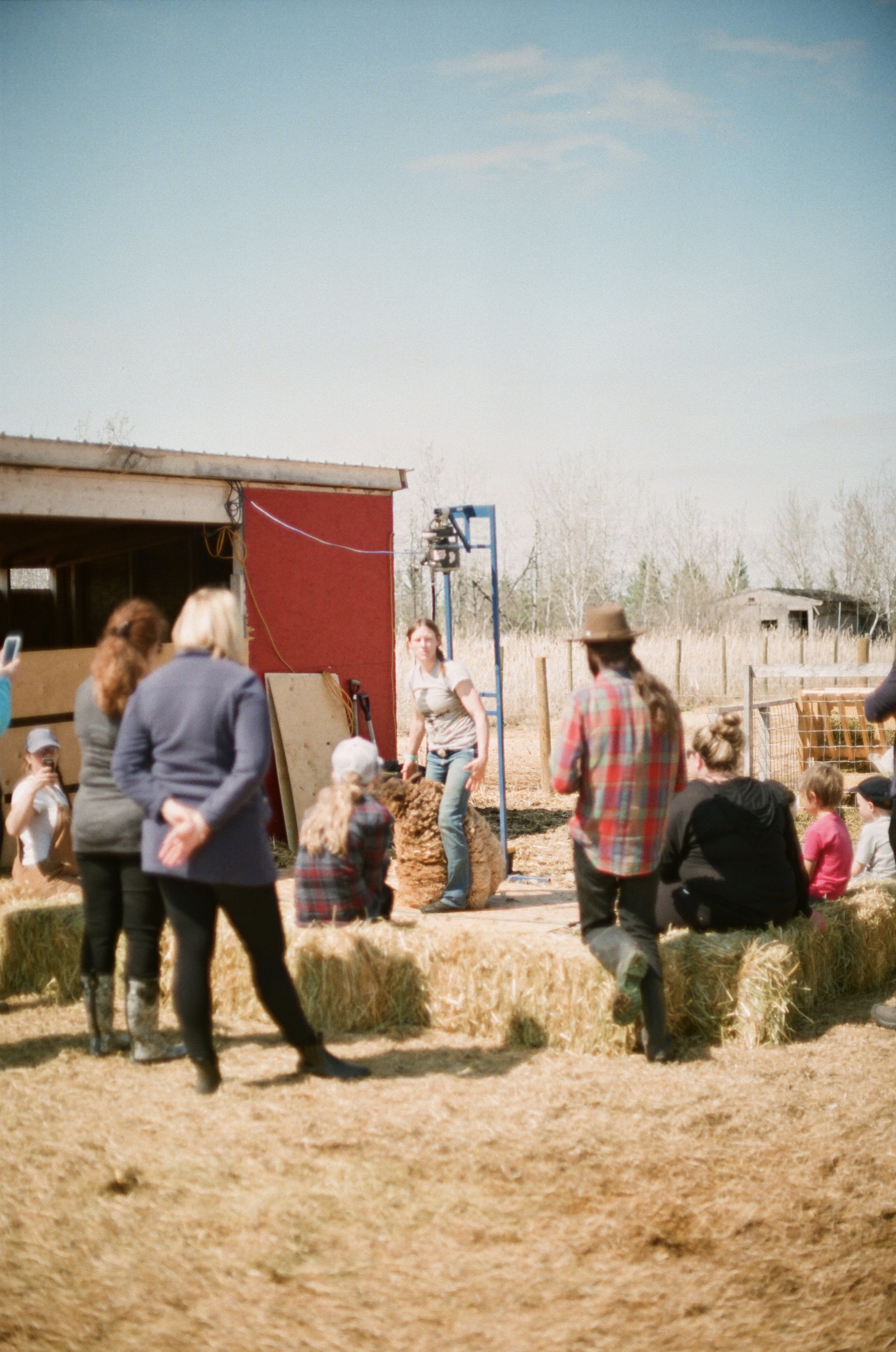
Stacey explaining the process of shearing (Photo by Mackenzie Smith)
She also sheared the llamas, who were well overdue for a shearing. I was nervous as to how they would handle the shearing, neither of them have ever been sheared before. The process for shearing them involves tying their front and back legs and stretching them, not stretching so much that it hurts, but prevents them from kicking the shearer. It was amazing to see how truly small they are without their fibre. Once they were sheared Donnie and Leo did this sweet little dance around each other getting reacquainted without all the fibre in the way.

Llama dance (Photo by Val Paulley)
I put everyone who showed up to work with skirting and sorting the fleeces. Skirting is the process of removing as much veggie matter as you can, any manure or matted fleece around the legs/belly/neck and separating each fleece for processing. Skirting takes a lot of time, so having 20+ people helping me with the process was incredible, and they did an excellent job.

skirting fleeces (Photo by Mackenzie Smith)
I plan to grow shearing day into a festival, a big celebration of sheep, fibre and the farmers that work so hard to grow it. So if you missed it this year don't worry – we will see you next year.

Keeping Watch (Photo by Mackenzie Smith)
A big thanks to Mackenzie Smith for all these fantastic photo's. Mackenzie currently has a show on display at Garry Street Coffee. The show is a series of 35mm slide projections and is called “Positives From A Sad Norwegian” those in Winnipeg should check it out!

A big pile of fleece! (Photo by Mackenzie Smith)

Thank you to all those of you who came and skirted wool (Photo by Mackenzie Smith)

Post Shearing body condition check (Photo by Mackenzie Smith)

Little Clover (Photo by Mackenzie Smith)

Stacey shearing Rex (Photo by Mackenzie Smith)
Surprise Lambs
- April 2026
- February 2026
- January 2026
- December 2025
- November 2025
- August 2025
- July 2025
- May 2025
- April 2025
- February 2025
- January 2025
- December 2024
- October 2024
- September 2024
- June 2024
- April 2024
- January 2024
- November 2023
- October 2023
- September 2023
- July 2023
- June 2023
- January 2023
- December 2022
- November 2022
- August 2022
- June 2022
- May 2022
- April 2022
- March 2022
- February 2022
- December 2021
- August 2021
- July 2021
- May 2021
- December 2020
- November 2020
- August 2020
- July 2020
- May 2020
- April 2020
- February 2020
- November 2019
- June 2019
- May 2019
- August 2018
- June 2018
- May 2018
- April 2018
- January 2018
- December 2017
- September 2017
- June 2017
- May 2017
- April 2017
- February 2017
- January 2017
- December 2016
- October 2016
- September 2016
- August 2016
- July 2016
- June 2016
- May 2016
My niece came to visit for a week and last Monday (March 26th) we decided to head into the city and go see a movie. We didn't get more than 15 minutes past the farm and my phone rang, I answered it (with my handsfree head-set of course) and Luke spits out "....Tansy just had two babies.....they are walking around...trying to get out of the pasture.....baby lambs"
What the?
We turned the car around and in 15 minutes I was face to face with two beautiful, SURPRISE lambs. A sweet little ram lamb and a ewe lamb with one adorable white 'sock' and lovely white face markings.

We are trying to figure out how she got pregnant, because we didn't move our ewes in with the rams until mid-December (gestation is only 5 months, so she got pregnant around October 25th). Perhaps it was the young ram lambs that we didn't move out of the pasture until late October. Rams can start reproducing as early as 5 months, but my wise farming mentors suggested I move them by 4 months of age (oops I didn't listen very well). Maybe it was through the fence - I've also heard many stories of how an eager ram can make that happen. Either way we are on high alert of any more early pregnancies.

It's colder than I was expecting to have to deal with lambs, but we moved a heat lamp into the lambing jug, and mama Tansy is a great mom, so lots of good colostrum and milk to her lambs and they are growing stronger and bigger everyday!

The boy will not stay with us once he is weaned, we cannot have any more boys on the farm, so if you are hoping to start a "sherino" flock let us know (cross of Merino and Shetland). The boy has been named spot in the meantime for the little tuft of white on top of his head, and the girl has been named Odessa, but we call her Odie for short. It is making me more excited for all the lambs to show up.....just hopefully not until the middle of May!
Breeding Season Part III: Chickens. (A post by Luke)
- April 2026
- February 2026
- January 2026
- December 2025
- November 2025
- August 2025
- July 2025
- May 2025
- April 2025
- February 2025
- January 2025
- December 2024
- October 2024
- September 2024
- June 2024
- April 2024
- January 2024
- November 2023
- October 2023
- September 2023
- July 2023
- June 2023
- January 2023
- December 2022
- November 2022
- August 2022
- June 2022
- May 2022
- April 2022
- March 2022
- February 2022
- December 2021
- August 2021
- July 2021
- May 2021
- December 2020
- November 2020
- August 2020
- July 2020
- May 2020
- April 2020
- February 2020
- November 2019
- June 2019
- May 2019
- August 2018
- June 2018
- May 2018
- April 2018
- January 2018
- December 2017
- September 2017
- June 2017
- May 2017
- April 2017
- February 2017
- January 2017
- December 2016
- October 2016
- September 2016
- August 2016
- July 2016
- June 2016
- May 2016
[We hatched our newest layer chickens this summer, but I thought I'd recap the process here just to keep with the "breeding" theme of these posts. Special thanks to Ferme Fiola, our neighbours with an incubator, for hatching this batch.]
Chickens are the gateway animal. They're small, easy to keep, and the pay off is pretty good (tons of fresh eggs). And if one perishes while you're figuring out their needs it probably won't sting as hard as if it was, say, the death of a calf or a horse.
That's not to say we haven't had any emotional attachments to our chickens (we definitely have). But if one drops on your watch dealing with it is kind of on the level of flushing a goldfish.
Also on the plus side, once you keep a bunch of chickens alive through the winter you really gain a lot of farm-confidence. That was no problem, you think. Maybe in the spring we can try something bigger?
Next it's pigs. Then llamas and sheep. Now you're thinking about a milking goat and possibly a few head of cattle. Maybe even an emu or something. Why not? Those chickens worked out fine.
It's a slippery slope, and it all begins with chickens.
I'm referring to layer chickens, which are much different than broilers (meat birds). Broilers have been developed to grow big fast...and that's pretty much all they do. Layer chickens, at least the heritage breeds like we have, seem to have retained more of their natural instincts. They mature slowly, last longer, and are better tooled for survival.
This summer we picked up a batch of broiler chicks at the exact same time our layers emerged from their eggs. It gave me a chance to shoot some side-by-sides for comparison. Check this out, and keep in mind that these chicks share the same hatch date:

Day 4

Day 8

Day 20
Pretty freaky, right? Broilers have a phenomenal growth rate, but that's all they got. They eat, drink, eat some more, waddle a bit, then balloon up in size. Up top, there's not much going on.
Layers are completely different. They've got a broad range of colours and plumage. They peck and hunt, create a social order among themselves, explore their surroundings. They even have noticeable personalities. Really, it's true.
One of our layers, Adventure Chicken, was blown away in a summer storm. She returned to the coop six weeks later, probably only because she got tired of roughing it.
I still have trouble wrapping my head around this. There are all sorts of predators on our property - skunks, weasels, foxes, coyotes, hawks, etc. - yet somehow she managed to evade all of them while also managing to find food on her own for a month and a half.
If a broiler had been blown away it probably would have been dead from a heart attack before it hit the ground. But one day Adventure just wandered back out of the woods and rejoined her layer crew in the coop. Like it was no big deal.
But to me it was a big deal. To me, this makes her the Les Stroud of the chicken world.

note the similarities
So our goal this summer was to breed her with Blackie, our Black Copper Maran rooster. Blackie's got a great temperament, and he's gorgeous. Maybe together they could make a super chicken.

Line forms on the right ladies
So we took a clutch of eggs over to our neighbour's incubator and let them develop. We have a bunch of unique breeds, and Adventure's eggs were among them, but Blackie had also been fertilizing the whole crew. So on top of her offspring we also couldn't wait to see what other strange combos would emerge.
While waiting for these eggs to hatch I realized we had cleared the first hurdle of raising livestock - which is “keeping things alive”- and had quickly transitioned to the next phase - which is “let's play god”. It's what farmers do.
I don't want to ruffle anyone's personal belief system here, but it does kind of blow my mind that there are still people out there who are a bit iffy on evolution.
In a few hundred years humanity has managed to produce a pug from a grey wolf. That alone should be proof everything is made from some kind of malleable, hereditary, silly putty.
Personally I have no problem buying we all developed from some little, Bonobo type of ape. Why not? Give me a year and a dozen weirdo chickens and I'll give them all long or short necks, rainbow feathers or furry feet, or any combination there of just by putting them together and warming their eggs a bit. And I'm just one guy with a heat lamp.
If anything, life on earth should be way freakier than it is. We should all just be disembodied heads floating through space, communicating telepathically. At least that's how it would be if I was throwing the switches.
Which is what I get to do here. Just look at these chickens I made:


Most of them are doing fine, but that last one is a little tweaked. Her vent is always clogged, and laying an egg seems to take a lot out of her. Plus that goofy bubble-gum head combined with her jet-black plumage is a bit much. She looks like a nerd dressing up as ninja for Halloween.
Now, I'd like to show you the other six other hybrid chickens we made...but a funny thing happened. A fox took them out before I had a chance to photograph them. Along with Blackie, and one of our mature hens.
So, lesson learned here? I'm going to chalk this up divine intervention. I think somebody up there is trying to tell me slooooww down.
Natural selection is one thing and homesteading is fun. But too many funky chickens will lead you straight to the Island of Doctor Moreau. And I'm too young to go full Brando.

Breeding Season Part II: SHEEP - A Post by Luke
Blog Archive
-
April 2026
- Apr 6, 2026 Hiring: Pellet Mill Operator Apr 6, 2026
-
February 2026
- Feb 25, 2026 We are bringing our Wool Pellets to Alberta and Saskatchewan once again! Feb 25, 2026
- Feb 6, 2026 New Wool Pellet Research and Free Workshop Feb 6, 2026
-
January 2026
- Jan 21, 2026 Be an Apprentice on our Farm 2026 Jan 21, 2026
- Jan 9, 2026 A Year of Canadian Wool Jan 9, 2026
-
December 2025
- Dec 5, 2025 Staggering Statistics Dec 5, 2025
-
November 2025
- Nov 23, 2025 Annual Holiday Market Nov 23, 2025
-
August 2025
- Aug 31, 2025 Manitoba Research on Wool Pellets Aug 31, 2025
- Aug 6, 2025 Why is there vegetable matter in my yarn - Carbonization and your wool Aug 6, 2025
- Aug 6, 2025 Folk Fest 2025 Aug 6, 2025
-
July 2025
- Jul 22, 2025 We are Hiring - Wool Mill Operator Jul 22, 2025
- Jul 6, 2025 Fibre & Farm Market - Saturday, July 26 Jul 6, 2025
-
May 2025
- May 14, 2025 10 Year Anniversary - Long Way Homestead in Manitoba May 14, 2025
- May 13, 2025 Book Launch - True Cost of Wool May 13, 2025
- May 1, 2025 Celebrate our 10 year Anniversary May 1, 2025
-
April 2025
- Apr 13, 2025 Upcoming Teaching and Speaking Events - Find a date near you! Apr 13, 2025
-
February 2025
- Feb 3, 2025 A note about Canadian Wool and the new USA Tarrifs Feb 3, 2025
-
January 2025
- Jan 25, 2025 Traceability & Transparency Jan 25, 2025
-
December 2024
- Dec 2, 2024 Big Bluestem Yarn Dec 2, 2024
-
October 2024
- Oct 16, 2024 2025 Calendar is here! Oct 16, 2024
- Oct 1, 2024 NEW Book - True Cost of Wool Oct 1, 2024
-
September 2024
- Sep 25, 2024 Fibre & Farm Fall Market - Saturday, Oct 5, 2024 Sep 25, 2024
- Sep 22, 2024 Top 10 Take-Aways from Sheep & Wool Camp - by Jane Westheuser Sep 22, 2024
-
June 2024
- Jun 7, 2024 Why Natural Dye Jun 7, 2024
-
April 2024
- Apr 26, 2024 Shearing Day Lunch - Recipe Apr 26, 2024
- Apr 12, 2024 Wool Bedding and Sleep Science Apr 12, 2024
-
January 2024
- Jan 19, 2024 Lectures and Presentation on Canadian Sheep and Wool Jan 19, 2024
- Jan 10, 2024 New Sheep - Welcome to our Registered Flock Jan 10, 2024
-
November 2023
- Nov 11, 2023 Merry Maker Market Nov 11, 2023
- Nov 5, 2023 Fibre & Farm Holiday Market Nov 5, 2023
- Nov 1, 2023 Holiday Gift Guide 2023 Nov 1, 2023
-
October 2023
- Oct 19, 2023 Pasture Raised Lamb for Sale Oct 19, 2023
- Oct 15, 2023 Celebrating 5 Years - RECAP Oct 15, 2023
- Oct 9, 2023 Grassland Yarn Oct 9, 2023
-
September 2023
- Sep 19, 2023 Wool Mill Celebration & Reflections Sep 19, 2023
-
July 2023
- Jul 31, 2023 5-Year Mill-aversary - come celebrate with us Jul 31, 2023
-
June 2023
- Jun 4, 2023 Fibre & Farm - Sunday, July 16 2023 Jun 4, 2023
-
January 2023
- Jan 1, 2023 Join us for a Farm & Mill Apprenticeship - Summer 2023 Jan 1, 2023
-
December 2022
- Dec 27, 2022 Is the Breed Study Right For You? Dec 27, 2022
- Dec 15, 2022 NEW On-line Breed Study Dec 15, 2022
-
November 2022
- Nov 26, 2022 About Wool Dryer Balls Nov 26, 2022
-
August 2022
- Aug 13, 2022 A Letter to the Federal Ag Minister Aug 13, 2022
-
June 2022
- Jun 10, 2022 Fibre & Farm Market Jun 10, 2022
-
May 2022
- May 15, 2022 Hiring a Fibre Mill Apprentice May 15, 2022
-
April 2022
- Apr 10, 2022 Shearing Festival 2022 Apr 10, 2022
-
March 2022
- Mar 29, 2022 Dealing with Waste Wool - Pellets Mar 29, 2022
-
February 2022
- Feb 24, 2022 A Little Too Little.... Feb 24, 2022
- Feb 5, 2022 Canadian National Mill Inventory Survey Feb 5, 2022
-
December 2021
- Dec 10, 2021 Canadian Wool Research & Data 2021 Dec 10, 2021
-
August 2021
- Aug 1, 2021 The Effect of Drought on Wool Production Aug 1, 2021
-
July 2021
- Jul 5, 2021 Fibre & Farm Market Jul 5, 2021
-
May 2021
- May 28, 2021 SponsorSHEEP Lambs 2021 May 28, 2021
-
December 2020
- Dec 16, 2020 Canadian Wool/Sheep Producers Survey Dec 16, 2020
-
November 2020
- Nov 10, 2020 Holiday Gift Guide 2020 Nov 10, 2020
- Nov 1, 2020 Traceability in the Canadian Wool Supply Chain Nov 1, 2020
-
August 2020
- Aug 27, 2020 Manitoba Fibre Trail Aug 27, 2020
-
July 2020
- Jul 22, 2020 Flower & Fibre Natural Dye Workshops Jul 22, 2020
- Jul 8, 2020 Farm Demonstration - Growing, Harvesting and Processing Japanese Indigo Jul 8, 2020
-
May 2020
- May 29, 2020 SponsorSHEEP Lambs 2020 May 29, 2020
- May 19, 2020 Building Resilient Fibre Systems in Canada - by Anna Hunter May 19, 2020
-
April 2020
- Apr 14, 2020 Why Breed Specific? Apr 14, 2020
-
February 2020
- Feb 18, 2020 New House Yarn - Polypay Chunky Feb 18, 2020
-
November 2019
- Nov 12, 2019 Gift Guide 2019 Nov 12, 2019
-
June 2019
- Jun 5, 2019 SponsorSHEEP lambs 2019 Jun 5, 2019
-
May 2019
- May 19, 2019 Shearing Festival April 2019 May 19, 2019
-
August 2018
- Aug 5, 2018 Lamb Day 2018 Aug 5, 2018
-
June 2018
- Jun 1, 2018 SponsorSHEEP 2018 - Jun 1, 2018
-
May 2018
- May 27, 2018 Shearing Day 2018 May 27, 2018
-
April 2018
- Apr 6, 2018 Surprise Lambs Apr 6, 2018
-
January 2018
- Jan 30, 2018 Breeding Season Part III: Chickens. (A post by Luke) Jan 30, 2018
-
December 2017
- Dec 24, 2017 Breeding Season Part II: SHEEP - A Post by Luke Dec 24, 2017
- Dec 3, 2017 Breeding Season Part 1: LLAMAS - A Post by Luke Dec 3, 2017
-
September 2017
- Sep 4, 2017 Our Year of Living Shepardly - A Post by Luke Sep 4, 2017
-
June 2017
- Jun 18, 2017 Lamb Day - June 25th Jun 18, 2017
- Jun 12, 2017 Sponsorsheep June 2017 Jun 12, 2017
-
May 2017
- May 30, 2017 REVIEW - SLOW TV: NATIONAL KNITTING NIGHT - a post by Luke May 30, 2017
- May 6, 2017 First Sponsorsheep Drop - May 7 May 6, 2017
-
April 2017
- Apr 2, 2017 Naturally Dyed Eggs Apr 2, 2017
-
February 2017
- Feb 5, 2017 Dakota Spinning Mill - A post by Anna Feb 5, 2017
-
January 2017
- Jan 25, 2017 Training Day Jan 25, 2017
-
December 2016
- Dec 12, 2016 Book Review: Haynes Sheep Manual - A post by Luke Dec 12, 2016
- Dec 4, 2016 Llama Trauma - a post by Luke Dec 4, 2016
-
October 2016
- Oct 30, 2016 Chickens of Destiny - a Post by Luke Oct 30, 2016
- Oct 24, 2016 Pattern Book Review - Flotsam & Jetsam by Ash Alberg Oct 24, 2016
- Oct 17, 2016 Sheep! Oct 17, 2016
- Oct 9, 2016 THE BALLAD OF WHEEZY MCSICKY PANTS - A Post by Luke Oct 9, 2016
-
September 2016
- Sep 26, 2016 Plants vs. Chickens Sep 26, 2016
-
August 2016
- Aug 30, 2016 Mama Llama Drama - a post by Luke Aug 30, 2016
-
July 2016
- Jul 27, 2016 Rooster Soup - Post by Luke Jul 27, 2016
- Jul 24, 2016 A Fence Post Jul 24, 2016
-
June 2016
- Jun 29, 2016 Arrivederci Figaro - A post by Luke Jun 29, 2016
- Jun 12, 2016 Jurassic Marsh - A post by Luke Jun 12, 2016
- Jun 5, 2016 Drive or be Driven Jun 5, 2016
-
May 2016
- May 20, 2016 Picking up Chicks May 20, 2016
- May 13, 2016 I might be crazy May 13, 2016
We're about to breed our sheep again, but this time around it's a little more complicated because we have two different breeds, three separate breeding groups, and over a dozen ewes of different ages. We also have a ram we need to keep clear of his own offspring.

Not that everybody worries about that last problem. I found the following comment on a sheep breeding message board:
Anonymous asks: is it alright for the ram to mate with his mother or sister
I love the directness of this question so much. No caps, no punctuation. Just a raw, innocent query regarding a universal taboo. Luckily this came back:
Answer from moderator: No, it's not.
I laughed, but I think it highlights something about our role in this operation. And that is: you're not really playing match maker as much as you are just limiting their options.
Right now, the funk coming off our ram pen could made Rick James faint. Those guys are ready to get with anything. So be wary of this fact and manage your groups accordingly.
At the moment we have three intact rams and eight wethers (castrated males). This is way more males than is required.
Normally a flock this size would keep only one ram and maybe two wethers. (Most of the year the ram is penned separately. He needs a couple of poker buddies in there with him or he'll go insane).
That one ram & two wethers set up seems kind of cozy. Kind of like buddies on a camping trip, that sort of dynamic. That's not what we have.
We have three rams and eight wethers. So think broken down minor league hockey tour bus, and everybody's drunk. I'm pretty sure fanning them out a bit will do them some good.
Right now we have three sectioned off breeding groups: there's the Merino Teens, the Shetland Adults, and the Geriatric just-glad-you're-still-with-us's.
I think I like the Geriatrics the best. The Shetland Adults are proven, so no big whoop, and the Merino Teens will take about .8 seconds to figure it out. But the old timers...what are they thinking? Tansy's on the later edge of her breeding range, and Gilderoy is such a grey beard he gets wheezy just shuffling up to the fence for food. If they make this happen it'll be a real Christmas miracle.
Getting them all sorted out took some work. We lured the old-timers with oats and they wandered behind us no problem. Same for the Merino Teens, although they took a bit more wrangling. But the Shetlands...man. Seriously Scotland, what gives. Here's actual footage of us going in to sort out that part of the flock.
I know what you're thinking: not the most cooperative bunch, but wow, what hair.
We left the Shetlands until last knowing they'd be a real treat. All we had to do was pull the ewe lambs out from the girl pen, open the gates to form a shunt toward the rams, then let the girls in with the boys. Easy peas. At least that's how it looked on the napkin sketch.
To make this happen I had to bridge a gap in the gates with a sheet of plywood. When they saw me walking up to the pasture carrying a blockade, the gig was up.
"It's that guy again! It's that guy again!" Their thought bubbles were screaming. "He's going to corner us! He's going to corner us! ...Scatter!"
"Son of a..." I said to Anna. "They're losing it already!"
"It's because you're here," she told me. "Just get the plywood into the pen and hang out behind the shelter. Don't let them see you..."
I got the plywood into position then tried to disappear. How many times have I said that.
It's moments like this I kind of resent my working relationship with these animals. I do the scary things in order to keep them healthy, then afterwards overcompensate and try to be really nice. But I don't think it's working. I don't know why I bother. I'm pretty sure I'm like the IT clown to them.
Also, yes, I'm aware there are dogs specifically bred to help out in situations like this. But we don't have any of those. My wife and I have sheets of plywood and the shared understanding that we're each going to face plant several times trying to capture a bunch of tiny, darting animals whose entire evolutionary strength is based on the ability to execute explosive, evasive maneuvers.
So with those ground rules in place we organized our flock.
And I have to say, to our credit, after a year and a half of dealing with this we now had some moves of our own. So it wasn't a total gong show.
We managed to block off all the ewe lambs except one. Within the pack of breeding age sheep there was Claire, this tiny little black pom-pom bouncing around, desperately trying to keep hidden between a bunch of fully grown ewes. We couldn't get in to grab her, so we just gambled and released them all in with the guys figuring we'd pluck her out later.
That worked out semi-alright.
I was in a constant panic thinking the rams would zero in on her. So I kept crouching about, trying to position myself in case I had to break up any weirdness. I'm happy to report that moment never came.
We'd also just thrown down two piles of hay thinking they'd all get distracted and go feed, but they weren't having it. So it was chaos. Too many factors were jumbled up now - horny rams, lots of accessible ewes, food, humans, and a little lost lamb.
It took about 20 minutes but finally we were in a spot where we could move in and scoop up Claire. She was a bit panicked but no worse for wear. We dropped her back into the main pasture with the rest of her generation (and the llamas), and that completed our flock re-organization for this year's breeding.
OK - now marvel with me on this:
Summer 2016 we had four sheep. Three ewes and a wether. After making a few moves, acquiring some new faces and doing a couple rounds of breeding we're now looking at the possibility of a 40+ headcount by time the snow melts in 2018. That's crazy. You'd think we were farming rabbits.
I know breeding animals is a standard aspect of farm life, but I wrestle with the enormity of it. What can I say? It kind of blows my mind. The whole concept is weird. I get to control the lineage of another species now? Just by opening a few gates? This a new gig for me.
Standing outside the fence, watching the girls mingle, Anna and I made some observations.
I'm starting to think one of our wethers wasn't fully castrated when he got here. He does have a full set of horns (which are only produced by testosterone), and he is actively pursuing the ewes. He's nothing like the other gelded dudes who just hang back all dulled out, chewing their food.

Muddy the ram with Albus (the wether) in the background.
So now I'm wondering...is he still viable? Did he actually father a bunch of lambs last year? Is he the secret father to like half our flock?
If so, that would explain his rivalry with our main ram. And why one ram-lamb from last year had horns shaped exactly like his...
Man, what a soap opera.
Breeding Season Part 1: LLAMAS - A Post by Luke
I've said it before but I'll say it again: Llamas are weird.
And horny teenage llamas? Flat out ridiculous.
We got our boy llama, Leo, earlier this summer, and he was perfect. Healthy, easy going (for llamas this means not totally insane), and very protective of the herd.
Then I guess his hormones kicked in and all he wanted to do was get with the sheep.
Luckily the sheep were way faster than him. And Leo has the coordination of a baby giraffe tumbling around a cement mixer, so they weren't in too much danger. But still...that's some messed up stuff going on out there. And I had to watch it everyday as I was trying to eat my breakfast.
Our options were either get him snipped or find him a girlfriend. Getting him castrated would cost like 250 bucks, and female llamas were going for around 300.
So why put him through an operation when for a few extra bucks we could get him some company? And then...baby llamas, right? Win/win.
Anna found a female llama for sale nearby. We brought her home and our boys named her Donnie, short for Donatella. Because we're still letting our kids name the animals, and they're really into Ninja Turtles. (It was that or Michaelanga or Raphaela. So Donnie it is).

Donnie in her new home!
Donnie's a beaut. An all black female, fully mature. Raised on a farm of only female llamas. So an amazon llama of sorts. Leo would be her first encounter with a male of her species.
He made a horrible first impression.
When she arrived he was chasing the sheep around the tall grass like a deranged Muppet. It wasn't going well for him, and also he looked terrible doing it.
With that going on in the background we showed Donnie around her new place.
Now, this is the fourth llama we've brought to the property and she was by far the most docile. She causally checked out the feeder, the shelter, and the fences. Occasionally she paused to nibble apple slices from our hands. A real lady.
Then Leo noticed her.
He was panting, out of breath from another failed attempt at hybridization. But when he looked over at her he just froze.
You could actually see cartoon hearts pop out his eyeballs as he stood there blinking his long goofy white eyelashes in disbelief.
Then he strutted over to Donnie and started making this weird mating call, which can only be described as “pathetically horny.”
Think Beavis and Butthead chuckling, mix in a little Seth Rogen, release helium, and you've got the mating call of the adolescent llama. It's bonkers.
The courtship....
He started making that noise, then never stopped. It just became ambiance.
I'd walk out to the shop and I'd hear llamas mating. I'd go check for eggs and I'd hear llamas mating. I'd be working on the house and I'd hear llamas mating.
Those llamas did it 24/7 for about two and half months.
Then one day I saw Donnie do something I'd never seen a llama do before. She spit at him.
Now I understand they're camelids and this is what they do, but none of our llamas had ever spit before. Plus I was surprised by the sheer force of it.
Leo tried going for it again and she just spun her neck around like a cobra and gave him three sharp blasts to the face. He got the message and backed off.
Back at the house I told Anna what just happened.
“I think Donnie's pregnant.” I said.
“Why do you say that?” she asked.
“She's done messing around.”
“Maybe she's just tired of him.”
“Maybe she is. But I'm going to mark it on the calendar anyway.”
And that was that. For a while.
Then our sheep went into heat again and Leo went back to being his old cross-breeding self.
So we called the vet. He said he'd make a house call to come fix our llama.
“What do you need?” I asked over the phone.
“Oh, you know, we should be good,” he said. “...if you've got an extension cord that will reach, that would be nice. A bucket of warm water, maybe a couple of bales of hay. That should do it.”
So with those basics of farm surgery lined up, we got right too it.
I pinned Leo to the side of the shelter and we gave him a shot of tranquilizer. (By the way, this is my main job on the farm – animal tackler. I take great pride in it. Lately I've been able to do some sweet, mid-air takeouts of even our flightiest sheep. They used to elude me, but not anymore. Now I'm inside their heads. Game over, ungulates.)
Hug-restraining a 200 pound llama as it starts going unconscious is a pretty goofy experience. Within moments you switch from grappling a frightened animal to snuggling a couch sized teddy bear.
Finally Leo went completely slack and we rested him on the bedding of the shelter. The vet propped up Leo's hind quarters and got to work.
Anna was holding his tail and I was cradling his head so he wouldn't choke while under. I couldn't really see what was going on.
“Do you really want to?” Anna asked.
“Well, kind of. Yeah.”
“We could switch. You could hold his tail.”
I didn't tell her at the time, but I had this fear of him violently ejecting feces while unconscious, so I declined. Besides, if I craned my neck a bit I could see everything the vet was doing.
This wasn't our first time sterilizing animals. Last spring Anna and I elastrated three lambs. (Elastration is when you snap a band around an animals testes. Then after sufficient time/blood loss its balls “painlessly” fall off. That's what the propaganda states, anyway.)
I hated elastrating. Watching those little dudes trying to shake off a rubber band they couldn't get to was awful. I was wincing and walking funny after each procedure.
But this time it was all surgical. Poke, slit, clamp, tie, snip - done.
Afterward, Anna had to snuggle with Leo to keep his head up while he came around from the drugs. I brought her a coffee and she spent about an hour cradling four feet of groggy llama neck. It was the most one-on-one time she's had with our llama since he arrived here. It was good for farm morale.

A little one-on-one time with Leo in Post-op!
So there you go. We picked up another llama but in the end still had to get our guy castrated.
But that's classic farm planning for you: chose the option you think is best, only to end up having to pay for the other thing anyway once your first plan fails.
Anyway, if Donnie is preggers we should be seeing a baby llama sometime around August 2018. Llamas mate constantly and then gestate for 11 months.
Sheep, on the other hand, need only a few seconds of togetherness and then gestate for 5 months.
They're up next.

Muddy the Ram curling his lip ready for mating (the flehmen response)
Our Year of Living Shepardly - A Post by Luke

OUR YEAR OF LIVING SHEPARDLY
About a year ago we picked up our first sheep. We started with four Shetlands from a farm about a half hour from here, then added some Merinos, got a couple breeding rams, and had a pile of lambs this spring.
Our flock has grown by leaps and bounds and I'm proud to say they're all happy, healthy, and most importantly - still alive.
Now if I may be so bold, I'd like to offer a Top Five list of hard earned wisdom regarding the care of sheep:
1. Don't believe everything you read
This is solid advice across the board.
But if you're thinking about getting sheep...OK, maybe read a little bit but then just put the book down.
You could easily conclude from reading anything on sheep that they are just this weird, squat, species of subjugated mammal that's been bred to grow hair over every other basic life function.
And you'd be right.
But they've also been with us on this journey for thousands of years and have yet to tank as a species. So the chances of you running them into the ground now is remarkably low.
Plus they're perfectly happy just eating grass and drinking puddle water.
Re-read that last sentence and let it sink in.
As long as you're attempting your shepherding endeavour on terrestrial earth you should be OK. Sea Monkeys require more environmental controls.
2. They will be able to give birth without you going armpit deep on them
We had 11 lambs this summer and it required zero plastic gloves.
Our typical birthing drama went like this:
Anna (returning from pasture): "Ashoka just had a boy!"
Me: "Really?"
Anna: "Yeah. I went out to bring them water and there was a little brown lamb following her."
[End of story.]
Note the complete lack of human intervention.
After reading up on the breeding sheep - and recoiling against all the bloody horrors and submerged human limbs it required - we figured we'd have to strong-arm at least one lamb into existence.
Nope. Those ewes doled out knobby sets of twins like their entire back halves were made of Vaseline.
And these lambs...they hit the straw blinking, got licked down by their moms and were immediately up and running with the herd.
In the human world we get all humble/brag about a kid that can walk at eleven months without cranking their head on the coffee table.
Yeah, amazing.
Within moments of coming online these newborns can seek out relative safety while darting from predators.
So maybe let's try not to over think our part in all this.
3. At first your sheep will absolutely hate you...
Since these animals have gone through the trauma of being relocated from another farm and view you as the abductor, it's only natural for them to have a period of discomfort in which you're regarded as the Prime Evil.
This will carry on for a period of about three weeks to end of their lives.
Well? What can you do. Not much.
But here's a little secret that will make you feel better: Sheep farms only sell off their assholes.
So really, when you're starting out you have no choice but to buy a bunch of headcases from other shepherds.
All of them are on their last chance and they only have themselves to blame.
This is not unlike the plot to the movie Major League.
So watch that movie again. This time study the story arc as it applies to your flock.
4. ...but don't worry, their kids will think you're cool
The silver lining with collecting random headcase sheep is that their lambs will think you're the best.
It really is that easy.
To begin with we had four feisty, stand-offish Shetlands. I couldn't get within ten feet of them.
That burned because I'd worked so hard to give them this beautiful place to live, yet whenever I needed them do anything (like line up for vaccinations that would save their lives) it was a total nightmare.

WAIT I'M TRYING TO HELP YOU
What jerks. If the four of them could have soliloquized on their situation it would undoubtedly have sounded something like this.
But eventually we all got along.
It was through their kids they all kind of lightened up. That was a beautiful moment.
Imagine a pack of wolverines suddenly pumping out a bunch of Care Bears, then those Care Bears blasting their Care Bear Stare out across the whole pasture and you start to get a sense of how rewarding this shift has been.
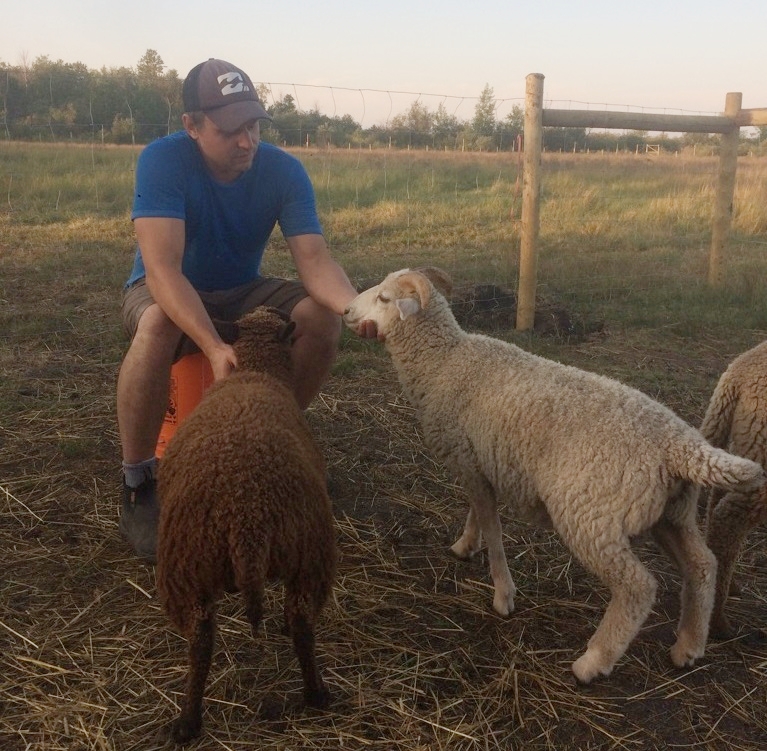
Me with lambs Oban and Bjorn. Incredibly hostile creatures.
5. Call the vet
OK, actually yeah, there is like a million weird things that can kill your sheep.
They eat too much or too little. They balloon up from bloat. They get a weird infection or their hooves are looking all poo-maggoty and are so fucked up they can't walk without a limp.
Or, in our case, maybe they accidentally suck up so much snail larvae while grazing that their livers are now nothing but a parasite farm existing just to kill them from the inside.
So call your local vet.
Since this is the country, "the vet" is not that nice little strip-mall animal hospital that exists just to euthanize a dozen fat old cats a day. Country vets are a separate breed.
They're ready for anything. From castrating a bull to sticking a garden hose down the G.I. tract of a donkey to save its life, I feel like they've done it all before and come prepared to do it all again. It's amazing what they've got loaded into the side-beds of their trucks.
Plus before they leave they kind of do a look around of your farm and offer all sorts of great advice. These people are polymaths with golden hearts. Every moment you have with them on your property is money well spent.
So in conclusion...
Sheep. Go for it.
Build a fence and don't let them do it until December or January so they'll lamb in the spring. Lambs are adorable.
Read a bit, but not too much. Call the vet if they're about to die.
Be sure to watch Major League again.
That's pretty much it.

Lamb Day - June 25th
We cannot wait to celebrate all the lambs with all of you! Come drop in for an hour or more, bring your knitting/crochet or spinning. Purchase some farm fresh food, and meet the lambs!
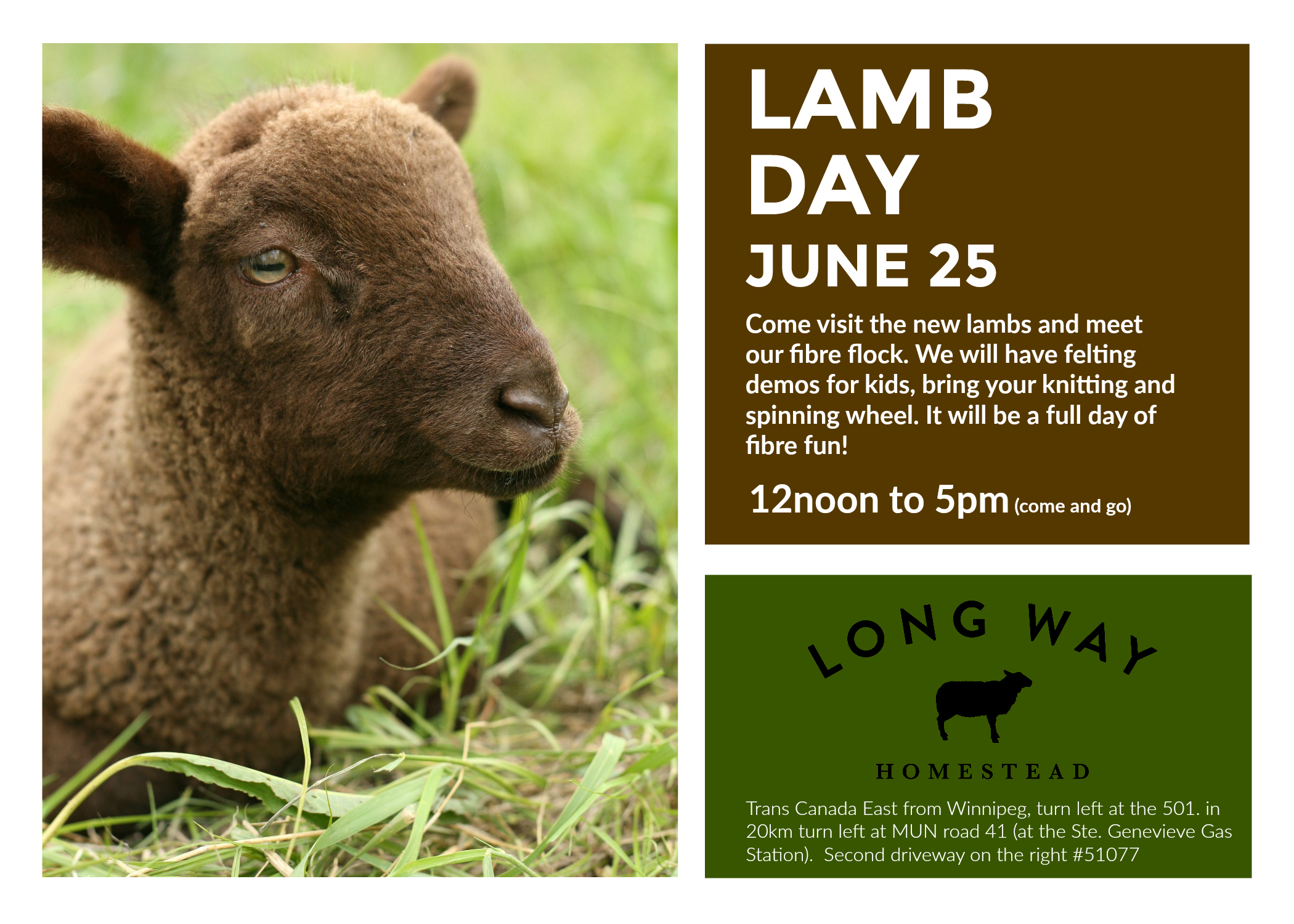
We will be selling beverages, pulled pork with our home-grown pasture raised pork, homemade pie (with seasonal fruit), farm fresh eggs, our printed table linens, and knitting project bags.
We hope to see many of you there!
Sponsorsheep June 2017
Tomorrow, Monday June 12th at 6pm central time we will be dropping the final six sponsorsheep of this season. Here is a small profile below of the sheep available. If you want to read all the details of the program you can read about it here
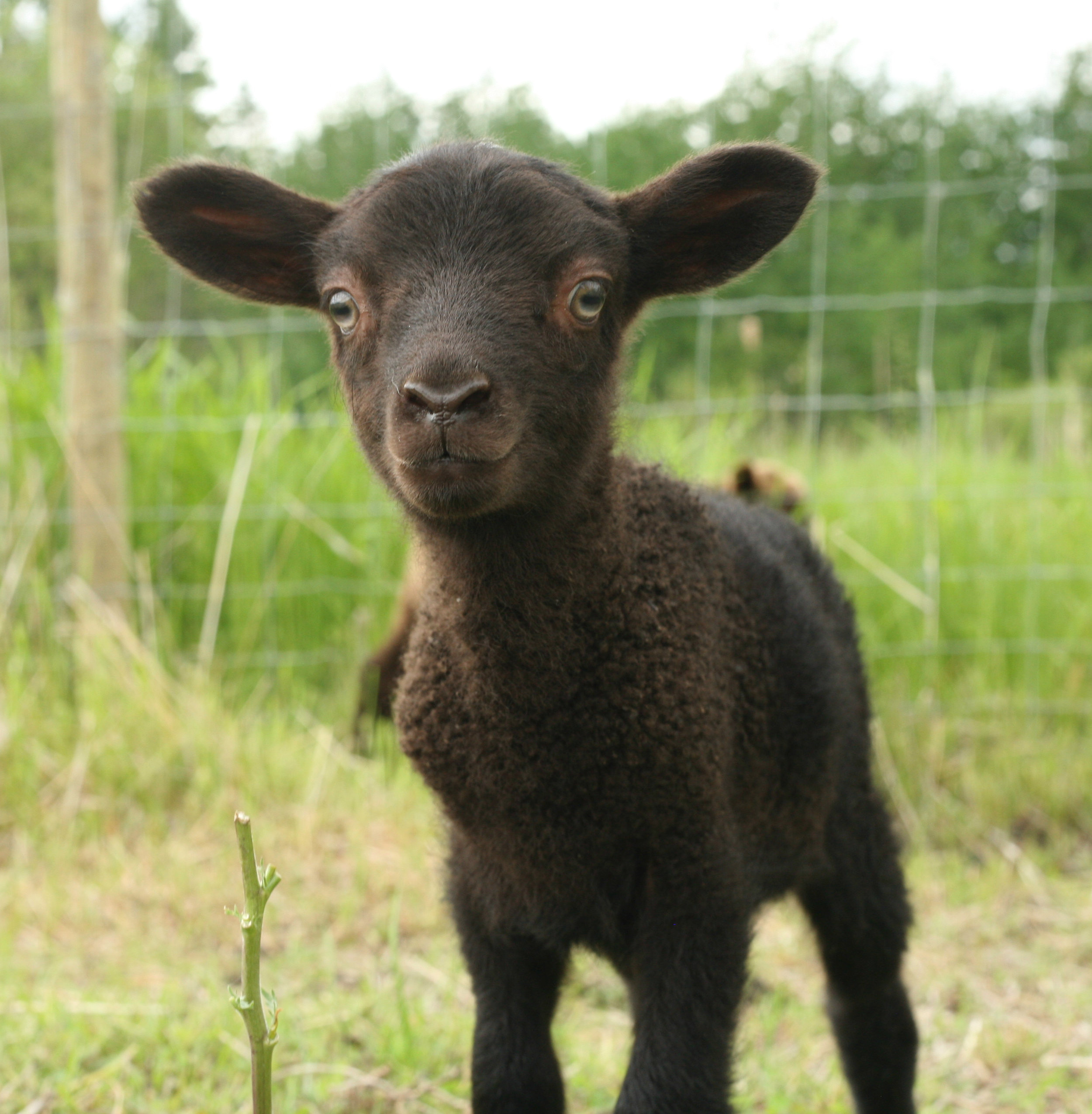
Brown Shetland Ewe Lamb
This beautiful girl was born on June 9, 2017 to one of our original shetland mama's Nora. She is one of two, her twin is a ram lamb. She is already so full of energy, following her mama around the pasture and playing with her brother, her fleece is a lovely brown shade - referred to as the Moorit colour in shetland fleece colours.

White Faced Shetland Ewe Lamb
This stunning girl was born on June 9, 2017 to one of our original shetland mamas Cairo. She is one of two, her twin is a ram lamb. Her markings are so much like her mama, as is her behaviour. She is timid, and doesn't like to stray to far from her family, but she loves fresh blades of grass, and is always seeking out fresh pasture. I suspect her fleece colouring will be similar to that of her mothers, a fawn colourway.

Merino Ram Lamb
This little guy was born on May 26th and he is a fun loving ram, who is growing like crazy. He is a cotswald/merino cross sheep and will be our breeding ram next year.

Brown Merino Wether Lamb
This boy was born on May 26th and he is a shy little wether, but he loves jumping and playing with his brother. We decided to castrate him, so he will only provide beautiful fleece for us next year. His chocolate brown fleece is soft and beautiful, he is a cotswald/merino cross.

Black/White Shetland Ewe Lamb
This beautiful girl was the last lamb to be born on the farm, she was born on June 11, 2017 to one of our original shetland mamas Shirley. She is one of two, her twin is a ewe lamb. She is very friendly and already loves to play around with her sister. Her white markings will most likely fade with time, and it will be interesting to see what her fleece will become.
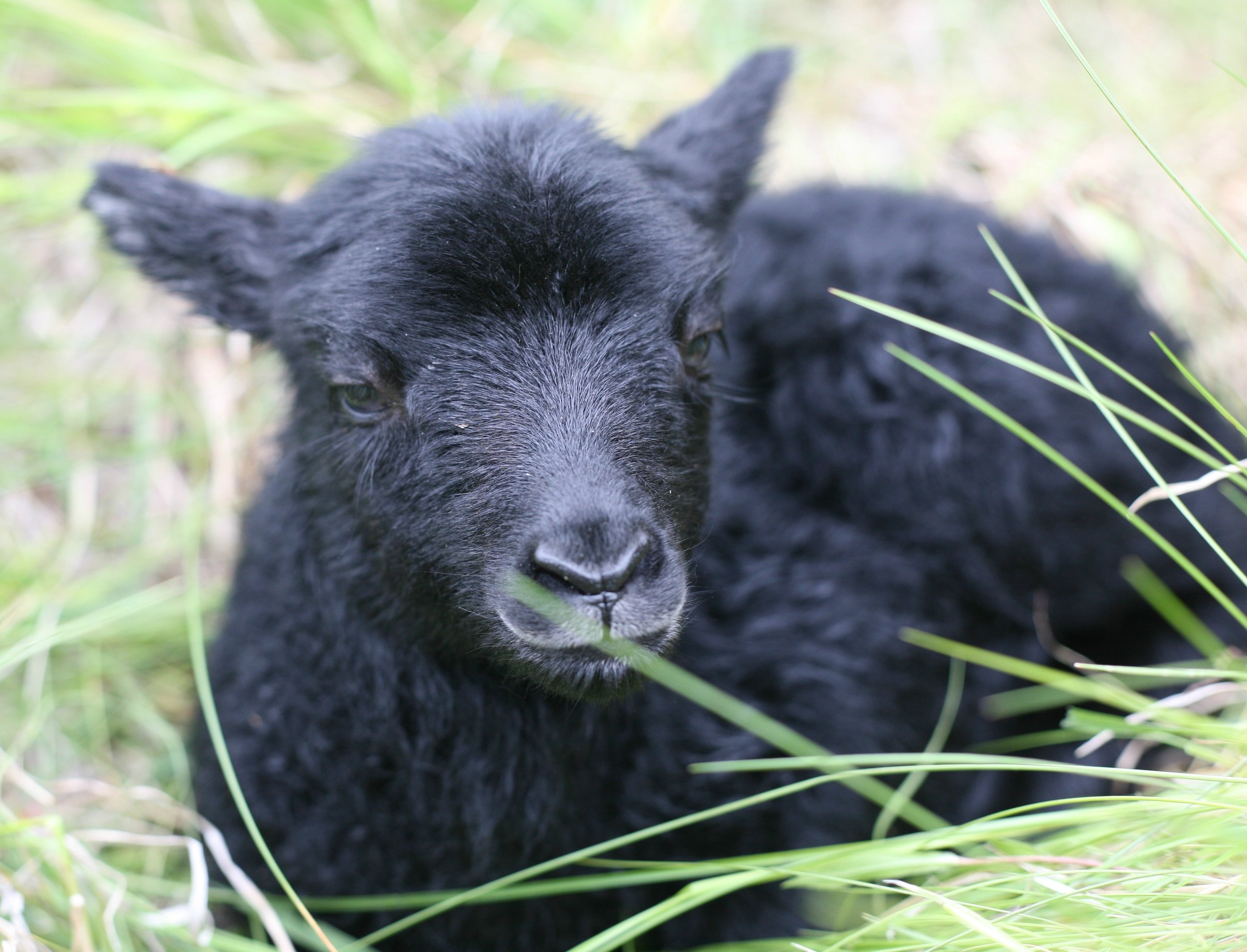
Black Shetland Ewe Lamb
This little girl was born on June 11, 2017 to one of our original shetland mamas Shirley. She is one of two, her twin is a ewe lamb. Her fleece is very dark black, silky soft and long! It will change over the year, but I have a feeling it will be very beautiful.
REVIEW - SLOW TV: NATIONAL KNITTING NIGHT - a post by Luke
Netflix just posted an eight and a half hour show about competitive sweater knitting. They probably put it up as a joke, but I'm taking it seriously.
Here's what I think.
First off, I don't believe everything should be a sport. Take competitive eating for example. Sure, you can get a bunch of drunks to crowd around a line of folding tables just to watch 6 guys in backwards hats plow through 50+ hot dogs a piece...but does that make it a thing?
Hot dogs should be enjoyed at a leisurely, gluttonous pace. Like maybe 3 or 4 max around a campfire in the summer time. Forcing them down by the dozen while people are screaming at you is all kinds of wrong.
Much like attempting to set a land-speed record for sweater knitting.
Knitting a sweater should take time. How much time? Casual observation would suggest at least 2 to 3 seasons of "Grey's Anatomy" or "The Gilmore Girls."
Knitting (...and I say this from a purely appreciative and spectator perspective) is not something to get all rushed and stressed out about.
...although having said that, I'm now picturing a montage of pre-holiday and birthday moments, witnessing my wife going nuts trying to finish things on planes and in cabs, snapping yarn with her teeth, desperately trying to bind off projects in moving vehicles so they can be wrapped as gifts only moments before we arrive.
So what do I know. Maybe all knitting is competitive. If that's the case then this show is bang on.
Here are the rules:
You have to shear the sheep, spin the wool, knit the sweater, and put it on. It all has to be done by hand. The world record stands at 8 hours, 33 minutes and 31 seconds. A team from Australia set that a few years back.
In this program seven Norwegian women set out to break that record by knitting through the night.
First impression: I think they've got a pretty good chance.
Their team is made up of ringers. I know because my wife once owned a yarn store. Having dropped in on a number of stitch 'n' bitches myself, I can tell when there's a heavy in the room. At a glance it's obvious every woman here is an expert in their craft.
And they've got a solid strategy. The fleece is immediately scooped off the mill floor and hooked directly onto spinning wheels. As soon as the yarn is spun components of the sweater are cast on. Each component is worked on in teams. Classic divide and conquer.
I should mention I'm already confused. No picking, washing, or carding of the fleece is needed. What gives? Either a magical sheep has been selected for this event or Norway keeps their flocks insanely well groomed.
We'll never know.
And then there's the host, Goril.
How can I describe her?
She's like Calvin, from Calvin & Hobbes. If Calvin grew up to be a possibly lesbian Norwegian TV knitting show host.
She's fantastic. If next month they come out with eight hours of "Staring At Ceiling Fans" and Goril is hosting - I'm there.
Anyway, once the intro is done and the fleece is spun...hours 2 to 5 are pretty boring. But I guess it's all about putting in the work. It's well shot and there is a decent soundtrack, but you can skip ahead.
At about six and a half hours in they suffer a complete psychotic breakdown. This is when things start to get entertaining.
The woman named Hege is the first to crack.



Hey...pull it together ladies! The clock is ticking!
The ending turns out to be a real nail biter.
Spoiler Alert: Full results of the event are discussed ahead.
They get the components done but still have to join them up. Only a couple of minutes remain. They've been knitting all through the night and are completely exhausted. Can they do it?

All they have to do is stitch the arms onto the sweater. The seven of them are huddled over a table, working together on the same task. I haven't seen group concentration like this since my wife's last c-section.

So close!

What?!!! No!!! They missed it by under 2 minutes?!?
Hege...if only you didn't get the giggles! Magda...you could have picked up the pace! Vigdis...at hour 2 you got kind of distracted while talking about your theology degree...if only you could take those moments back!

Ase Brit...no one's blaming you. You knit like the wind.
Actually, nobody should feel let down. This team really cranked out that sweater.
Maybe 8 hours 33 minutes sheep-to-shoulders is like the 9.5 second barrier in the 100 metre dash. It just can't be done any faster. It's possible we've pushed this thing to the limits of human ability.
So in the end they have to settle for setting a new Norwegian record. Which honestly is kind of lame.
But a guy named Dirk gets a new sweater, and they all drink Champagne at dawn. So good times were had.
I think the lesson learned from all this is that knitting is knitting. It doesn't work as a live-or-die by the clock kind of thing.
Time is the enemy. Knitting is comfort. Comfort you make.
It sucks up time, but by investing yourself in the craft you actually kind of defeat time. You devote hours of your life to the thing, but when you're done you have a unique garment, a gift, a real piece of work. It can outlast so many things. Maybe even hang around longer than you, if you come up with a real hand-me-down.
So why put a stopwatch to it?
But yes, I get it. This is like the Vegas-bender of knitting circles. Norway gave it their best shot. These ladies went for it and almost won.
And the record still stands...
First Sponsorsheep Drop - May 7
Hopefully you all have had a chance to read about the sponsorsheep program, if not check out all the details here
I am very excited that we will be 'dropping' our first 6 sheep as part of this program tomorrow, Sunday May 7 at 12noon (central time). We will be releasing 6 sheep - 4 adult merinos and the two newest merino lambs. We will be doing one more sponsorsheep drop after all the babies are born, we expect at least 5 more lambs but could be more (keep your fingers crossed for more twins)!
Here is the description of the first 6 that are dropping. For the various levels of sponsorsheep please go the sponsorsheep page.

This little girl was the first baby lamb born on the farm May 1, 2017! She came out and bonded with her mama immediately and within minutes was trying to stand up! She is a merino/cotswald cross with a beautiful chocolate brown fleece and the biggest ears!

This little guy was born on May 1, 2017 and he is feisty, born to a merino/cotswald cross mama and merino dad. He has a very dark fleece with the most beautiful white face markings.
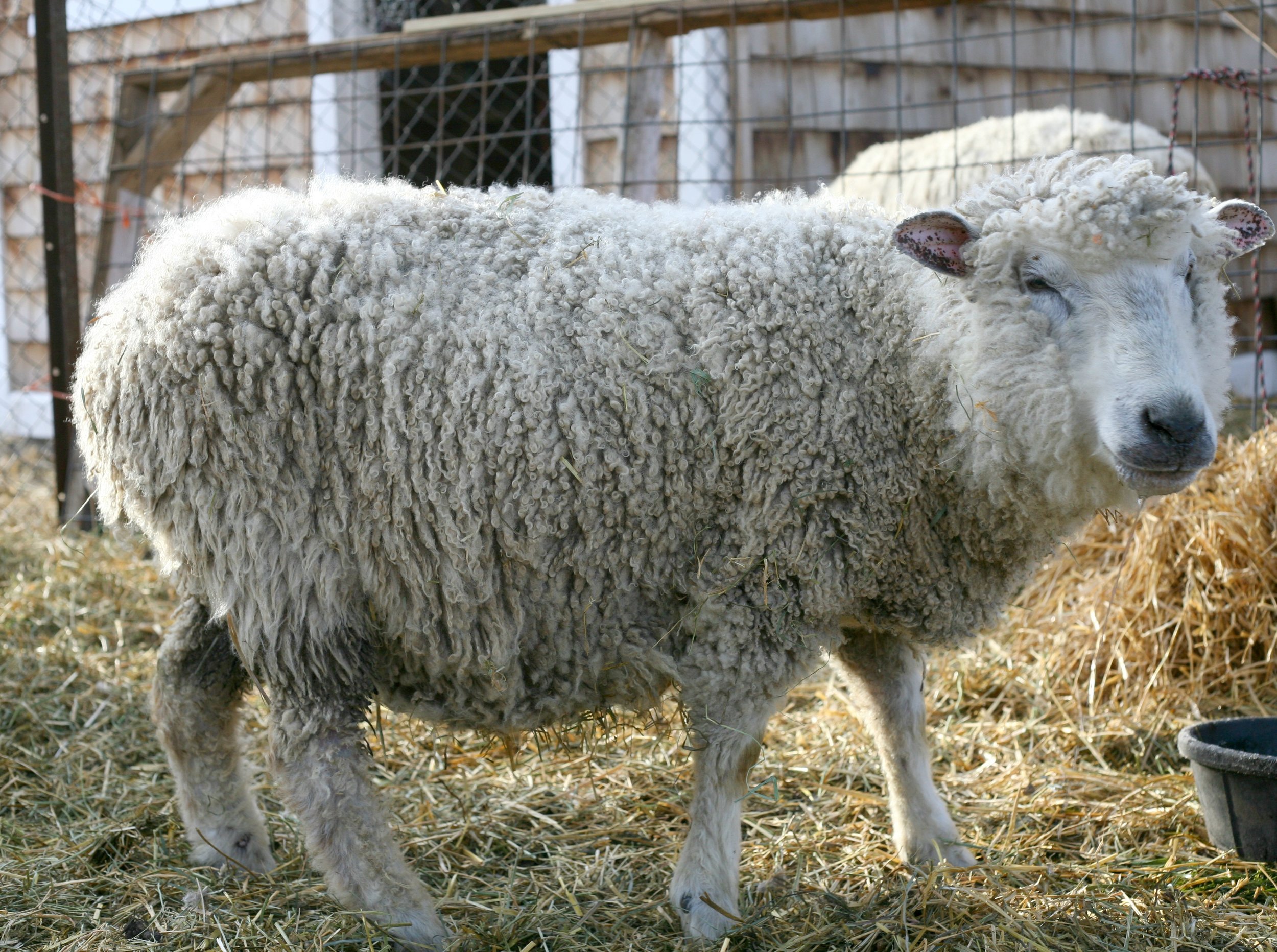
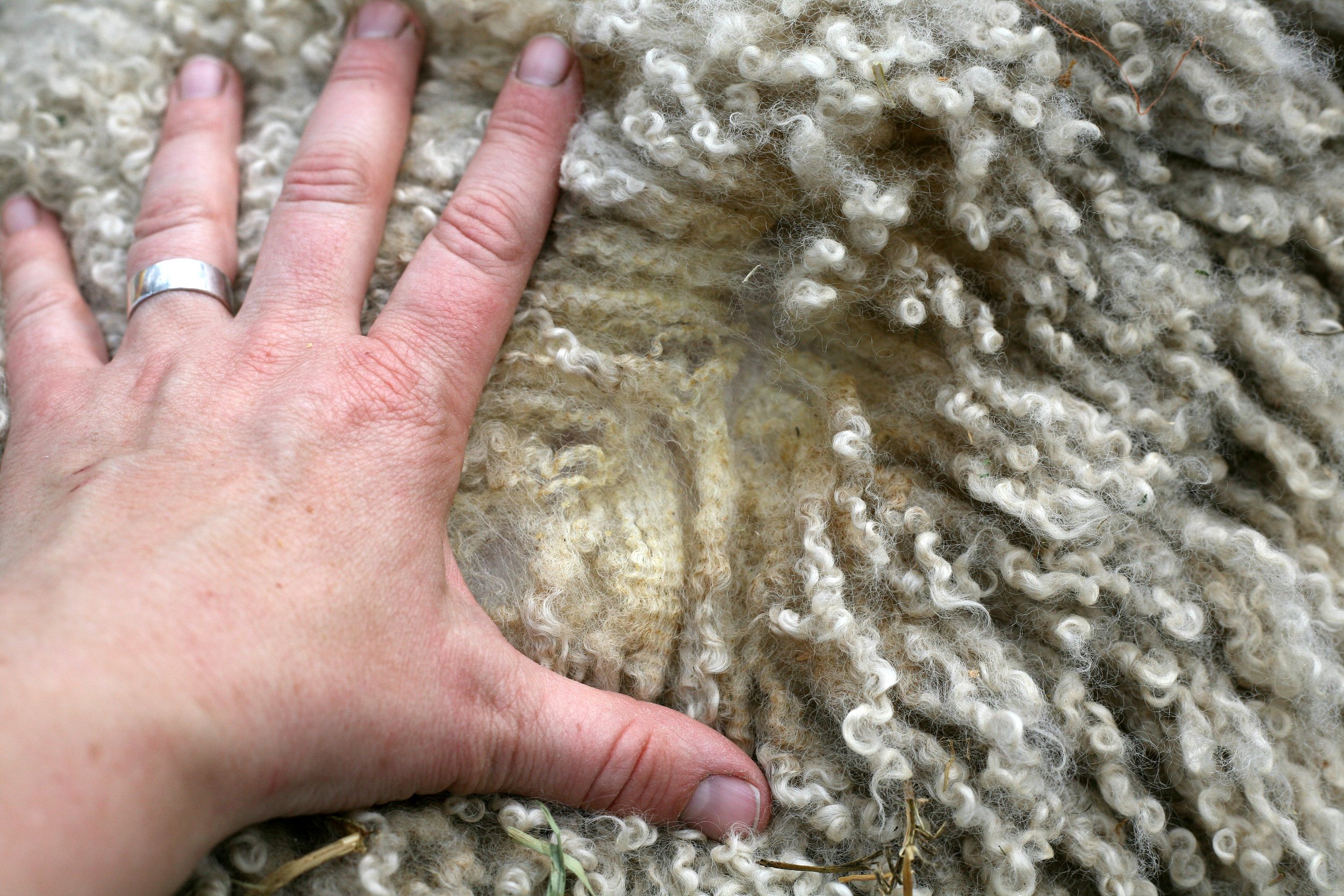
This guy is a 5 year old wether (castrated male) and he is a snuggler! He lets the boys hug him, he loves chin scratches and will give me kisses every time I come into the pen! He is a merino/Cotswold/BFL cross and he has the most beautiful silky ringlets, all you spinners out there will love his fleece! He is a catch!

This Merino Ram is 6 years old, a strong yet gentle ram. He loves chin scratches and always greets me in the morning. He is a cross of Merino/Cotswold/tunis. And has beautiful silvery cinnamon brown fleece with a long staple.

She is 4 years old merino/Cotswold cross. She is the silent strong type. She is gentle, yet let's me know that she likes her space! She has a beautiful fine fleece.
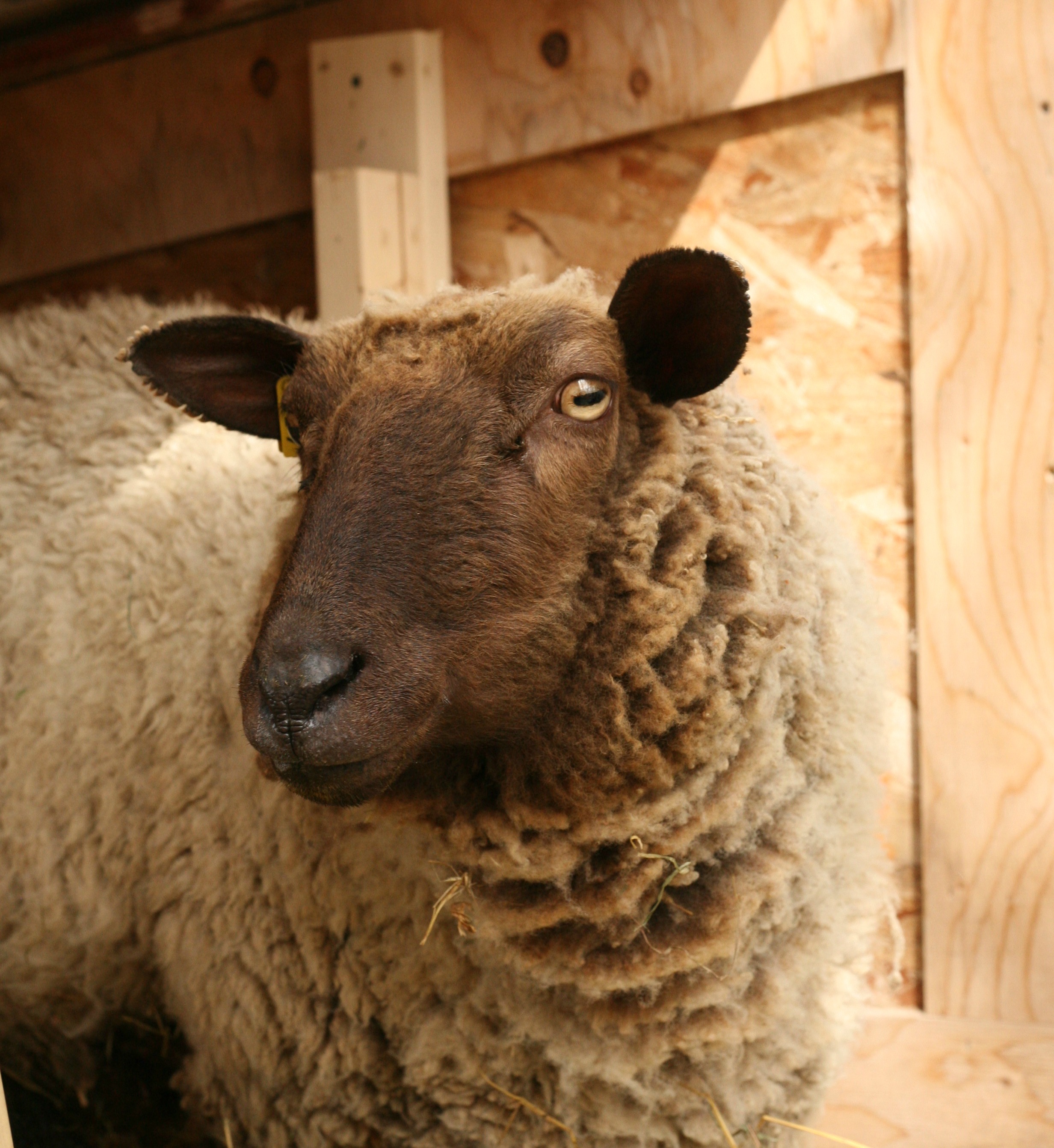
This girl just celebrated her 4th birthday, she is a proven mother and just gave birth to twins! She has a beautiful light coloured fine fleece.
Naturally Dyed Eggs
After posting some pictures on Instagram of our adventures in naturally dyeing easter eggs a few of you asked for details on how we did it. I did not in anyway come up with this, and a quick google search will come up with tonnes of options, and ideas! But here is what we did:
** As a safety precaution: I did all of the boiling hot dye stuff. It wasn't until the dyes had cooled down and I put them in jars that my boys (aged 4&6) really did anything. I trust you all know your own kids, and can determine how well they will do with boiling hot liquids**
First we made our dye baths:

For every dye, mix the following in a pot on the stove. (one pot for each DIFFERENT colour/item):
1.5 litres of water
3 Tbls white vinegar
Dye stuff
I am not very specific when it comes to how much dye stuff I use for each colour, I pretty much eye-ball it, but here is a bit of a guideline.
1/2 head of red cabbage chopped up - 3 cups (blue)
3 beets chopped (red/pink)
4 Tbls turmeric (yellow)
onion skins from 5 onions (just the papery skin parts) (brown)
1 cup coffee ground (brown)
Turn the stove to medium-high heat and bring items to a boil then simmer. Allow dyes to simmer for at least 20 minutes before dyeing eggs.
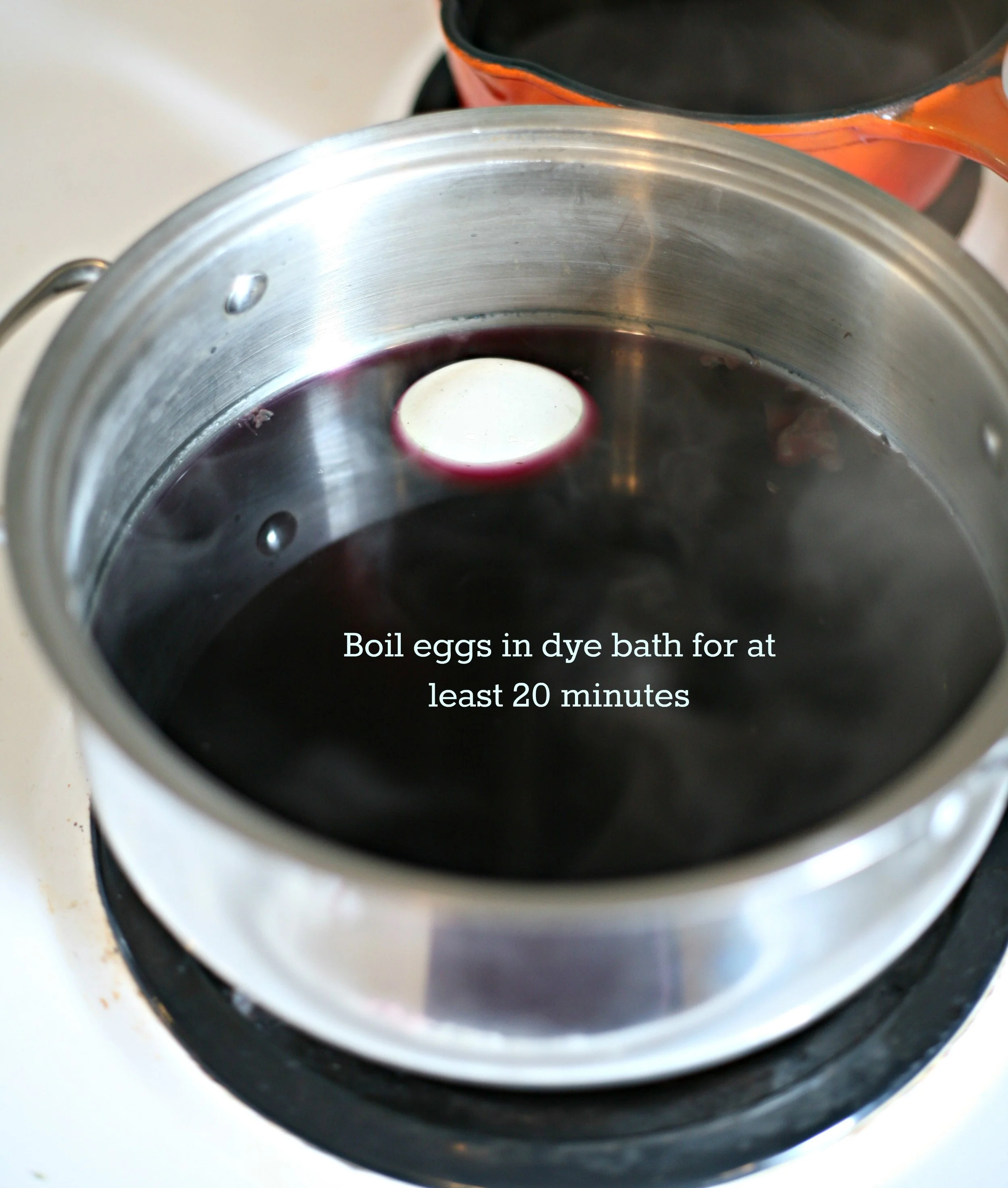
You are ready to dye! With my kids we like to dye hard boiled eggs - I find they last longer in our house! You do not need to boil them ahead of time, as they will cook in the dye bath.
Place eggs in the dye of your choice and simmer for at least 20 minutes, the longer they stay in the dye bath the darker the colour.
Once eggs have boiled for a minimum of 20 minutes strain food from the dye pots and pour dyes into glass jars or bowls - my favourite are the wide mouth mason jars because little hands have an easier time manoeuvring spoons in and out!

Mix and Match colours and explore your own combinations. Here are some of our favourites.
Gold - Turmeric dye bath for 30 minutes.
Rust - onion skin dye bath for 20 minutes
Dark Blue - Cabbage dye bath for 30 minutes then soak overnight
Chartreuse - turmeric dye bath for 30 min then cabbage bath for 5 minutes
light pink - beets dye bath for 20 minutes
copper - coffee dye bath for 30 min then soak in turmeric for 10

There are so many options, and the longer you keep eggs in the dye baths the richer the colours!